
Why Random Bruising May Increase During Menopause
advertisement
As hormone levels shift, many women notice a sudden increase in random bruising on their arms, legs, and hands.
Waking up with a dark purple mark on your leg and no memory of bumping into anything is an incredibly common, yet rarely discussed, part of midlife.
Estrogen decline fundamentally alters skin structure and vascular integrity, leaving capillaries vulnerable to the slightest trauma.
Key Takeaways
- Estrogen loss depletes collagen, making skin thinner and blood vessels less protected.
- Fragile capillaries rupture easily from minor, unnoticed physical impacts.
- Certain daily supplements and over-the-counter pain relievers can worsen bruise severity.
- While usually harmless, specific bruising patterns require prompt medical evaluation.
Why Does Estrogen Depletion Lead to Easily Bruised Skin?
Hormones dictate much of your skin’s mechanical resilience. Estrogen naturally promotes collagen production, the structural protein that gives the dermis its thickness and elasticity.
advertisement
When estrogen levels plummet during perimenopause and menopause, collagen levels drop by as much as 30% in the first five years alone.
Thinner skin means the biological cushion protecting your microscopic blood vessels disappears. Capillaries sit closer to the surface and become inherently more fragile as you age.
A minor bump against a desk—an impact you might not even feel at the time—is now enough to break a blood vessel and pool blood beneath the skin.
Sun damage accumulated over decades compounds this hormonal thinning, destroying the elastin fibers that help tissues bounce back from physical stress.

Which Common Medications and Supplements Worsen Bruising?
Navigating midlife often means introducing new daily vitamins or managing joint aches with over-the-counter remedies. Many of these standard products act as mild blood thinners.
When combined with vulnerable menopausal skin, they significantly amplify the likelihood of unexplained marks.
Nonsteroidal anti-inflammatory drugs (NSAIDs) like ibuprofen, naproxen, or aspirin inhibit platelet function, meaning your blood takes longer to clot after a capillary breaks.
High doses of specific dietary supplements, particularly Vitamin E, fish oil, garlic, and ginkgo biloba, produce similar anticoagulant effects.
++ Why Menopause Skin Crawling Sensations Occur
Reviewing your daily regimen with a healthcare provider can quickly identify hidden pharmacological culprits behind those mysterious spots.
How Can You Tell Normal Menopausal Bruising from a Medical Concern?
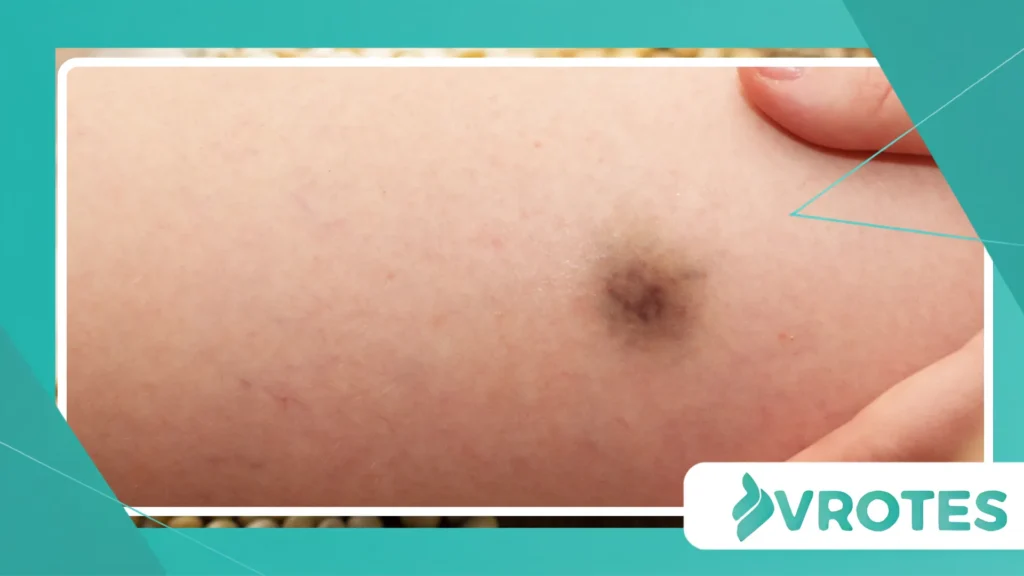
Most age- and hormone-related bruises appear on the extremities, particularly the forearms, hands, and shins.
They generally resolve within a couple of weeks, transitioning predictably from dark purple or black to yellow or green as the body reabsorbs the pooled blood.
Sometimes, unexplained marks signal underlying blood or clotting disorders rather than simple skin changes.
The National Institute on Aging, recommends monitoring the frequency, location, and severity of skin trauma to distinguish benign structural changes from systemic issues requiring medical intervention.
| Bruise Characteristic | Typical Menopausal Bruising | Warning Signs (See a Doctor) |
| Location | Forearms, hands, shins, thighs | Torso, back, face, or unusual areas |
| Size & Shape | Small to moderate, clearly defined | Massively spreading, raised, or lumpy |
| Frequency | Occasional, usually after suspected minor bumps | Sudden onset of multiple severe bruises |
| Accompanying Symptoms | None (localized tenderness only) | Frequent nosebleeds, bleeding gums, extreme fatigue |
How Nutritional Deficiencies Exacerbate Skin Fragility
As metabolism and digestion shift during menopause, absorbing essential nutrients often becomes less efficient.
A lack of Vitamin C directly halts collagen synthesis, leaving microscopic blood vessels dangerously unsupported.
Similarly, Vitamin K is vital for proper blood coagulation. Even mild deficiencies in these key vitamins drastically increase how often you bruise.
Read more: Menopause-Friendly Meal Prep Ideas for Busy Weeks
To counteract this, prioritize a diet rich in leafy greens, citrus, and bell peppers. High-quality, targeted supplementation can quickly reinforce capillary walls and accelerate the healing of existing localized trauma.
In-Office Dermatological Treatments for Menopausal Skin
When topical creams and diet are not enough, dermatologists offer advanced clinical interventions to thicken aging skin.
BroadBand Light (BBL) therapy and specific vascular lasers actively target pooling blood while strengthening the surrounding dermal matrix.
Medical microneedling combined with radiofrequency accelerates localized collagen production, physically rebuilding the protective barrier over vulnerable capillaries.
++ Creating a Cooling Bedroom Sanctuary on a Budget
These clinical procedures provide noticeably faster structural improvements than over-the-counter routines, specifically addressing the mechanical weakness caused by severe estrogen depletion and cumulative sun damage.
What Are the Best Practical Steps to Fortify Fragile Skin?
Strengthening your skin’s barrier and supporting vascular health requires a targeted combination of topical care and internal nutrition.
Routine maintenance makes a measurable difference in how easily capillaries rupture under pressure.
Apply Broad-Spectrum Sunscreen: Ultraviolet rays aggressively destroy whatever collagen you have left. Protecting your skin from daily UV exposure prevents further structural thinning on your most vulnerable areas.
Use Topical Retinoids and Vitamin C: Prescription or high-grade retinoids stimulate collagen synthesis, essentially rebuilding the skin’s dermal cushion. Vitamin C serums directly support blood vessel walls and aid in rapid tissue repair.
Moisturize Relentlessly: Dry, brittle skin tears and damages exponentially faster than well-hydrated skin. Ceramide-rich body creams trap moisture, adding a temporary but highly effective physical barrier against minor friction.
Optimize Your Diet for Vascular Health: Eating foods rich in Vitamin K (spinach, kale) and bioflavonoids (citrus fruits, berries) helps your body coagulate blood efficiently and strengthens capillary walls from the inside out.
Managing skin changes during menopause requires adjusting your daily habits to accommodate a new biological baseline.
Fortifying your skin with collagen-building topicals, wearing sunscreen, and monitoring your supplement intake will drastically reduce the appearance of unwanted marks.
If you notice a sudden, severe shift in how your body heals or if bruises appear in unusual places, schedule a comprehensive blood panel with your primary care physician to ensure your overall vascular health remains optimal.
For comprehensive guidelines on interpreting complex blood work and coagulation factors, reliable medical institutions like the Mayo Clinic, offer robust, up-to-date resources.
Frequently Asked Questions
Why am I getting random bruises on my legs during menopause?
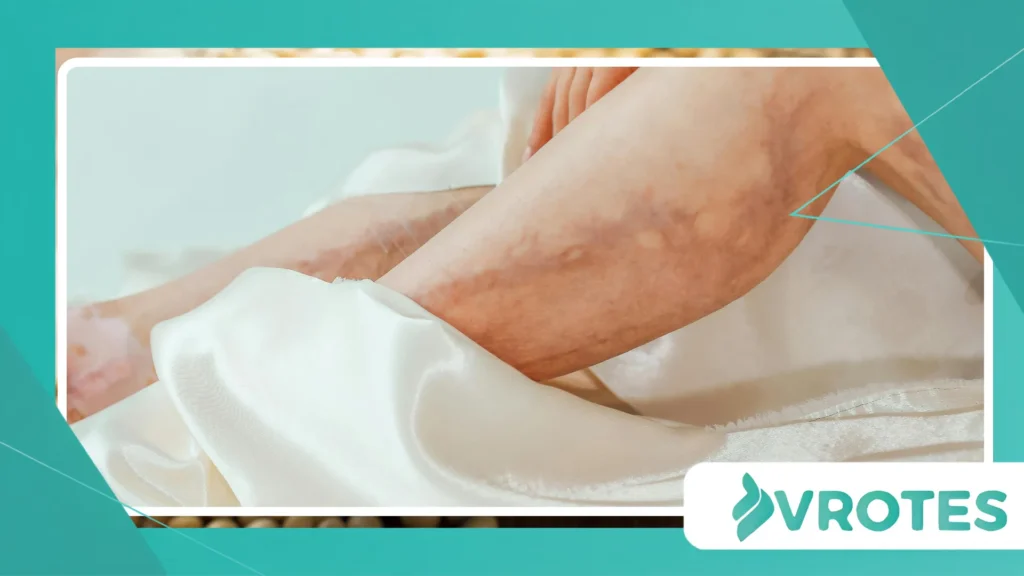
Legs and shins are prime targets for minor, unnoticed bumps.
Combined with the natural loss of collagen and thinning skin caused by estrogen depletion, the capillaries in your legs become highly susceptible to rupturing and bruising.
Can hormone replacement therapy (HRT) stop easily bruised skin?
Systemic HRT can help maintain collagen levels and improve skin thickness, which may indirectly reduce skin fragility.
However, HRT is not prescribed solely for cosmetic bruising, and individual results vary based on genetics and baseline skin health.
Does menopause affect blood clotting?
Menopause itself does not cause clinical blood clotting disorders.
However, the combination of age-related vascular changes, thinner skin, and the increased use of NSAIDs or supplements during midlife can alter how quickly a bruise forms and heals.
++ Skin bruising: why does it appear during menopause?
++ Unexplained Bruising in Women: Causes, Symptoms & When to Seek Help