
Cooking Oils Comparison: Best Choices for Hormonal Health
advertisement
Conducting a comprehensive cooking oils comparison reveals how specific fatty acid profiles directly impact thyroid function, cortisol management, and reproductive hormone synthesis.
Choosing the wrong cooking oil at the grocery store can silently sabotage your endocrine system, fueling chronic inflammation and disrupting vital hormone production.
Finding the right balance among fats often feels overwhelming with conflicting dietary trends.
Dietary fats serve as the literal building blocks for steroid hormones like estrogen, progesterone, and testosterone.
When you cook with highly oxidized or chemically extracted oils, you introduce compounds that destabilize cell membranes and provoke systemic inflammation.
advertisement
Making informed choices in the kitchen empowers you to protect your hormonal equilibrium without sacrificing flavor or culinary performance.
Key Takeaways
- Fatty Acids as Precursors: Steroid hormones require healthy dietary fats and cholesterol for optimal synthesis and intercellular signaling.
- The Omega-6 to Omega-3 Balance: Excess linoleic acid from ultra-processed seed oils drives inflammatory pathways that impair hormone receptor sensitivity.
- Smoke Point vs. Oxidative Stability: High smoke points do not guarantee safety; oxidative stability prevents the formation of toxic lipid peroxides during high-heat cooking.
- Top Options for Endocrine Support: Extra virgin olive oil, avocado oil, grass-fed ghee, and virgin coconut oil offer superior stability and bio-active benefits.
How Do Cooking Oils Directly Impact Your Hormones?
Dietary fats act as signaling molecules and structural components of every cell membrane in the human body.
Cell membranes require proper fluidity to allow hormones to bind smoothly to their respective receptors.
Consuming unstable, oxidized fats alters membrane composition, rendering hormone receptors less responsive to insulin, thyroid hormones, and sex steroids.
Every steroid hormone originates from cholesterol, which requires quality dietary fats for efficient transport and metabolic conversion.
Diets deficient in healthy fats frequently lead to menstrual irregularities, sluggish thyroid output, and elevated stress responses.
Conversely, consuming fats laden with lipid peroxides triggers an immune response that forces the adrenal glands to overproduce cortisol.
Chronic inflammation driven by poor fat choices further disrupts the hypothalamic-pituitary-adrenal (HPA) axis.
Research detailed by the National Institutes of Health demonstrates how pro-inflammatory dietary lipids alter endocrine cascades, exacerbating conditions like polycystic ovary syndrome (PCOS) and metabolic dysfunction.
Which Fats Cause Endocrine Disruption and Inflammation?
Industrial seed oils—frequently labeled as “vegetable oils”—undergo intense chemical refining, bleaching, and deodorization before reaching store shelves.
Oils such as soybean, corn, cottonseed, sunflower, and safflower contain high concentrations of omega-6 polyunsaturated fatty acids (PUFAs), primarily linoleic acid.
While omega-6 fats are essential in microscopic amounts, modern diets deliver an unnatural ratio of omega-6 to omega-3 fatty acids, often exceeding 15:1 instead of the evolutionary 1:1 baseline.
Excess linoleic acid accumulates in adipose tissue and cell membranes, where it easily oxidizes and generates inflammatory signaling molecules called eicosanoids.
Industrial Extraction → High Heat/Solvents → Oxidized Linoleic Acid → Cellular Inflammation → Hormone Receptor Resistance
Polyunsaturated fats possess multiple double bonds in their chemical structure, making them uniquely vulnerable to heat, light, and oxygen.
Cooking with high-PUFA oils generates aldehydes and lipid hydroperoxides. Ingesting these toxic compounds stresses the liver—the primary site for hormone detoxification and excess estrogen clearance.
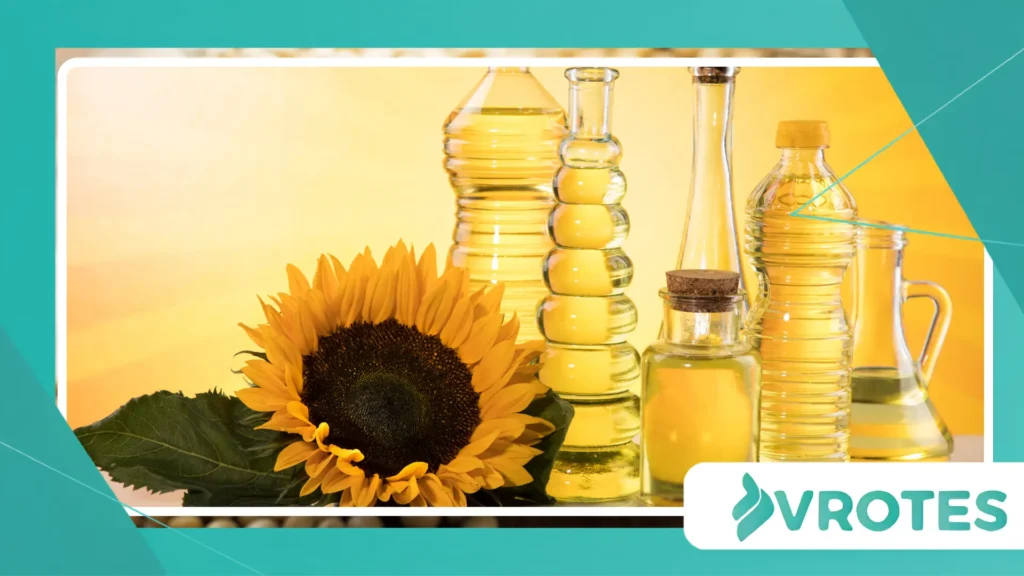
Cooking Oils Comparison: Profile, Stability, and Hormonal Impact
Selecting the correct cooking oil requires evaluating smoke point, oxidative stability, and fatty acid composition.
Read more: Why Chewing Food Slowly Improves Nutrient Absorption
The following comparison highlights how popular options perform under heat and affect your endocrine system.
| Cooking Oil | Primary Fat Type | Smoke Point (°F) | Oxidative Stability | Hormonal Impact |
| Extra Virgin Olive Oil | Monounsaturated (Oleic) | 375°F – 410°F | High (Rich in Antioxidants) | Reduces inflammation, supports insulin sensitivity |
| Avocado Oil | Monounsaturated (Oleic) | 520°F | Very High | Supports cellular fluidity, protects lipid membranes |
| Grass-Fed Ghee | Saturated & MUFA | 485°F | Exceptional | Provides butyrate and fat-soluble vitamins (A, D, E, K2) |
| Virgin Coconut Oil | Saturated (MCTs) | 350°F | High | Supports thyroid function and rapid metabolic energy |
| Refined Canola Oil | Polyunsaturated / MUFA | 400°F | Low (Prone to oxidation) | Promotes low-grade systemic inflammation |
| Soybean / Corn Oil | Polyunsaturated (Omega-6) | 450°F | Very Low | Drives pro-inflammatory cascades, impairs estrogen clearance |
What Are the Best Oils for Low to Medium Heat Cooking?
Extra Virgin Olive Oil (EVOO)
Unrefined extra virgin olive oil remains the undisputed champion of the Mediterranean diet for good reason.
Packed with oleic acid and potent polyphenols like oleocanthal, EVOO actively suppresses inflammatory pathways in the body.
Polyphenols protect the oil’s monounsaturated fats from thermal degradation, rendering EVOO surprisingly stable at medium cooking temperatures.
++ How Polyphenol-Rich Foods Nourish Beneficial Gut Bacteria
Regular consumption improves insulin sensitivity, which plays a pivotal role in regulating ovarian function and preventing androgen excess in women.
Virgin Coconut Oil
Rich in medium-chain triglycerides (MCTs), virgin coconut oil offers a distinct metabolic advantage. The body metabolizes MCTs directly in the liver for immediate energy rather than storing them as fat tissue.
Lauric acid and caprylic acid in coconut oil support gut microbiome integrity.
Read here: Balanced Day Plan: Meals to Stabilize Energy & Mood
A balanced gut microbiome produces the enzyme beta-glucuronidase, which regulates the estrobolome—the collection of bacteria responsible for metabolizing and neutralizing excess estrogen.
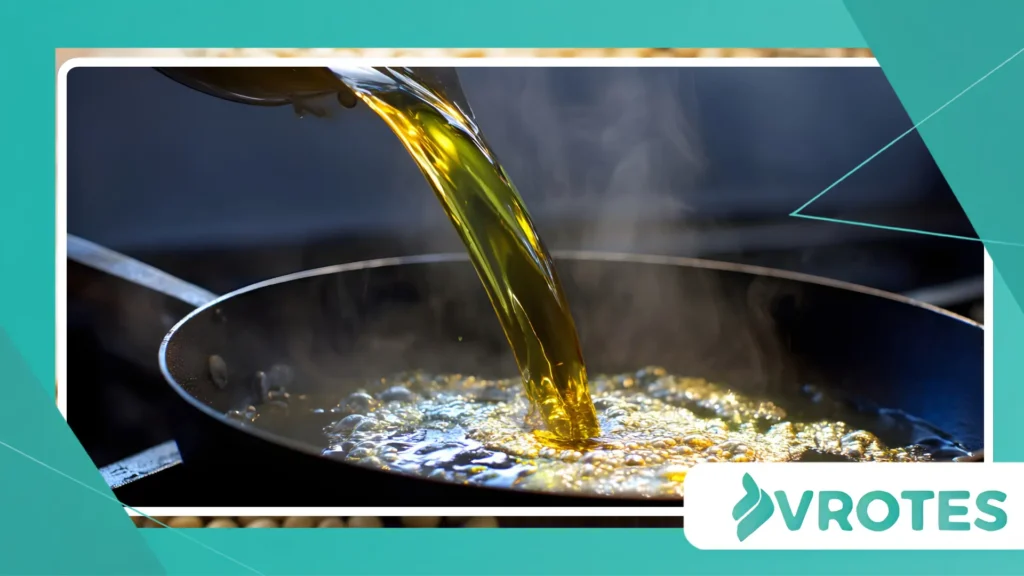
Which Oils excel at High-Heat Cooking Without Degrading?
Avocado Oil
Naturally pressed from the fruit pulp rather than the seed, avocado oil boasts an exceptional smoke point of 520°F.
Monounsaturated fatty acids make up over 70% of its profile, giving it remarkable resistance to thermal breakdown during searing, roasting, or sautéing.
Avocado oil contains substantial levels of lutein and vitamin E. Fat-soluble antioxidants like vitamin E protect luteal phase progesterone production and shield delicate cell membranes from free radical damage.
Grass-Fed Ghee (Clarified Butter)
Removing milk solids from butter yields ghee, a pure cooking fat with a high smoke point of 485°F.
Grass-fed ghee provides concentrated short-chain fatty acids, notably butyric acid, which nourishes the intestinal lining and reduces gut permeability.
Leaky gut syndrome allows endotoxins to leak into the bloodstream, triggering systemic inflammatory responses that disrupt thyroid hormone conversion (T4 to T3).
Ghee also delivers natural vitamin K2 and conjugated linoleic acid (CLA), both of which support metabolic rate and adrenal resiliency.
How Should You Store and Handle Oils to Protect Their Nutrients?
Buying high-quality oils represents only half the battle; proper kitchen storage determines whether those fats stay therapeutic or turn toxic.
Light, heat, and atmospheric oxygen rapidly degrade delicate fatty acids, transforming beneficial oils into rancid sources of free radicals.
Follow these practical guidelines to preserve oil integrity:
- Choose Dark Glass Packaging: Purchase extra virgin olive oil and avocado oil exclusively in dark green or amber glass bottles to block destructive ultraviolet light.
- Avoid Heat Sources: Store your cooking fats inside a cool pantry rather than on the countertop directly adjacent to your stovetop.
- Keep Caps Tight: Seal bottles immediately after pouring to minimize contact with oxygen.
- Observe Shelf Life: Consume unrefined oils within 3 to 6 months of opening to ensure peak polyphenol activity and fresh flavor.
Discard any oil that smells sharp, metallic, or reminiscent of wet cardboard.
Rancid fats overload the liver’s phase I and phase II detoxification pathways, diverting essential enzymatic resources away from processing endogenous hormones.
What Daily Habits Best Support Endocrine Health Beyond Cooking Fats?
Optimizing your kitchen fats yields maximum benefits when paired with holistic lifestyle adjustments. Pair healthy culinary oils with nutrient-dense whole foods to optimize endocrine performance.
Prioritize fiber-rich cruciferous vegetables like broccoli, Brussels sprouts, and kale.
These plants supply indole-3-carbinol, a compound that works synergistically with healthy fats to facilitate safe estrogen elimination through the liver.
Incorporate clean sources of omega-3 fatty acids—such as wild-caught salmon, sardines, and walnuts—to counterbalance stray omega-6 inputs from dining out.
Managing psychological stress, securing 8 hours of sleep, and maintaining stable blood sugar through balanced meals ensure your body makes full use of healthy dietary fats.
Authoritative guidelines from the Harvard T.H. Chan School of Public Health emphasize replacing saturated fats originating from processed meats and industrial seed oils with high-quality plant-based monounsaturated fats to protect long-term cardiovascular and metabolic health.
Frequently Asked Questions
Is canola oil safe for hormone health if labeled organic and cold-pressed?
While organic, cold-pressed canola oil avoids toxic chemical solvents like hexane, it still contains a high percentage of fragile polyunsaturated fats.
Heating canola oil creates lipid peroxides that encourage low-grade inflammation. Choosing naturally stable fats like extra virgin olive oil or avocado oil yields better outcomes for endocrine health.
Can seed oils alter thyroid hormone production?
Excessive intake of omega-6 polyunsaturated oils can inhibit thyroid gland function indirectly.
Oxidized fats impair liver health, where roughly 20% of inactive thyroid hormone (T4) converts into active thyroid hormone (T3).
Reducing seed oil consumption eases hepatic strain, allowing more efficient thyroid conversion.
Why is grass-fed butter or ghee superior to standard commercial butter?
Pasture-raised cows produce milk with significantly higher concentrations of fat-soluble vitamins (A, D3, K2) and conjugated linoleic acid (CLA).
Standard commercial butter derived from grain-fed livestock contains higher proportions of omega-6 fats and lacks the nutrient density required for optimal steroid hormone synthesis.
How do I know if an oil has oxidized while cooking?
Oil oxidation shows distinct signs: visible smoking before reaching expected target temperatures, acrid chemical odors, foaming at the pan edges, or a noticeable darkening in color.
If your cooking oil smokes heavily or smells burnt, discard it immediately to avoid ingesting harmful aldehydes and lipid peroxides.
Summary and Next Steps
Swapping out refined seed oils for hormone-supportive alternatives is one of the simplest, most impactful dietary edits you can make.
Focus your kitchen strategy on three primary workhorses: extra virgin olive oil for cold dressings and light cooking, avocado oil for high-heat roasting, and grass-fed ghee or coconut oil for rich flavor and metabolic support.
++ 4 of the Healthiest Cooking Oils to Use—and 3 You Should Limit, According to Dietitians