
Why Formication Symptoms Increase During Menopause
Werbung
Erleben formication symptoms during your menopausal transition often feels intensely confusing, bringing an incredibly uncomfortable, persistent crawling sensation to your sensitive skin daily.
Many individuals describe this strange phenomenon as feeling like tiny, invisible insects are walking directly underneath or across their upper epidermis constantly and without warning.
Understanding the precise biological reasons behind these sudden tactile changes remains crucial for finding effective, lasting relief and restoring your overall daily physical comfort.
This comprehensive article explores sudden hormone fluctuations, nervous system reactions, clinical medical treatments, and practical home remedies to help you manage everything safely today.
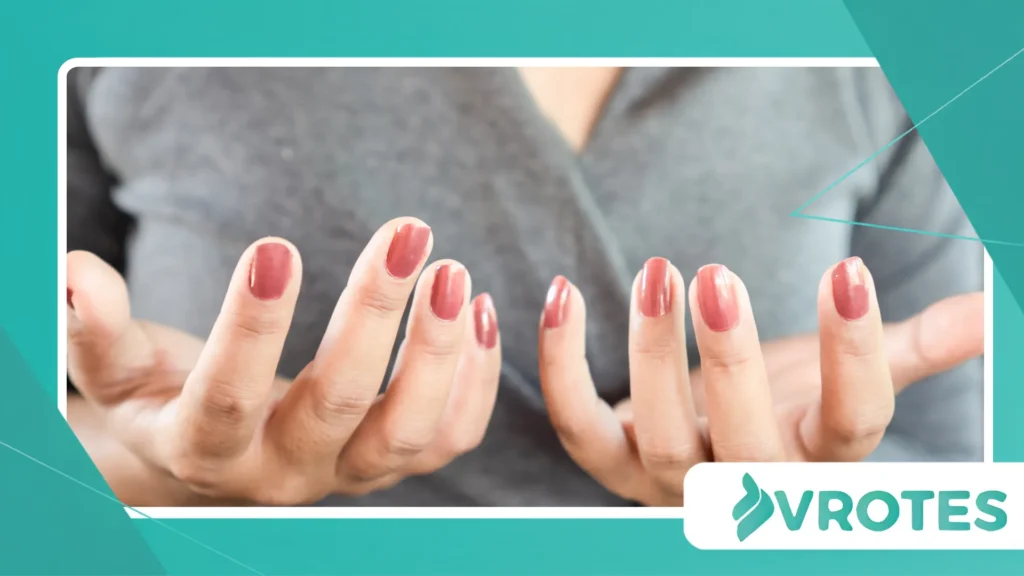
What Is Menopausal Formication Exactly?
Doctors clinically define this troubling condition as a specific type of tactile hallucination where you feel bugs crawling on your skin without any physical cause.
During perimenopause and full menopause phases, these intense physical sensations frequently target the arms, legs, back, and chest area, causing significant distress and relentless itching.
Scratching the affected areas rarely provides permanent relief, often leading to secondary skin infections or painful abrasions requiring further medical intervention and specialized wound care.
Recognizing these specific, often distressing bodily signals represents the very first essential step toward addressing the underlying hormonal imbalances occurring within your changing biological system.
Why Do Estrogen Drops Trigger Skin Issues?
Estrogen plays a truly massive role in maintaining healthy, hydrated, and elastic skin by supporting natural collagen production throughout your entire active adult life.
As ovarian function declines naturally with age, the sudden drop in vital circulating hormones leaves your skin notably thinner, drier, and significantly more sensitive overall.
Severely dehydrated dermal layers frequently misfire crucial sensory signals to your brain, translating routine environmental stimuli into the deeply disturbing perception of tiny moving creatures.
++ Schlaffördernde Snacks für die Nacht zur Unterstützung des Hormonhaushalts
Lower cellular collagen levels also reduce skin elasticity, creating a literal structural weakness that amplifies every minor physical friction or slight temperature change you encounter daily.
How Does Menopause Affect Your Nervous System?
Beyond basic superficial hydration issues, vital female reproductive hormones directly influence your central nervous system’s daily functionality and overall peripheral nerve health maintenance significantly.
Receptors located along intricate nerve pathways rely heavily on steady estrogen supplies to properly regulate how intense physical sensations travel toward your primary processing centers.
Fluctuating chemical levels cause delicate nerve endings to become wildly hyper-reactive, sending completely false warning messages about non-existent external threats crawling on your physical body.
These common neurological misfires perfectly explain why severe formication symptoms typically peak during late evening hours, utterly disrupting healthy sleep patterns and causing immense psychological stress.
Mehr lesen: Warum inneres Zittern während der Perimenopause häufig auftritt
Chronic sleep deprivation then further aggravates your central nervous system, trapping you in an exhausting physiological cycle of heightened physical sensitivity and extreme daily fatigue.
When Should You Consult A Medical Professional?
Feeling occasionally itchy might not warrant an immediate doctor visit, but constant crawling sensations definitely require proper professional evaluation and a highly accurate medical diagnosis.
Schedule a comprehensive appointment immediately if these relentless tactile hallucinations begin causing intense anxiety, preventing restful sleep, or prompting severe skin damage from frantic scratching.
Qualified healthcare providers must carefully rule out other potential causes like thyroid dysfunction, early peripheral neuropathy, or specific vitamin deficiencies before blaming menopause changes entirely.
Comprehensive diagnostic blood tests accurately check crucial systemic hormone panels, helping medical specialists determine exactly how far your natural menopausal transition has progressed recently.
Reading peer-reviewed resources, such as the detailed patient guides found at the Nordamerikanische Menopause-Gesellschaft, offers invaluable, scientifically backed insights into managing complicated hormonal transitions safely.
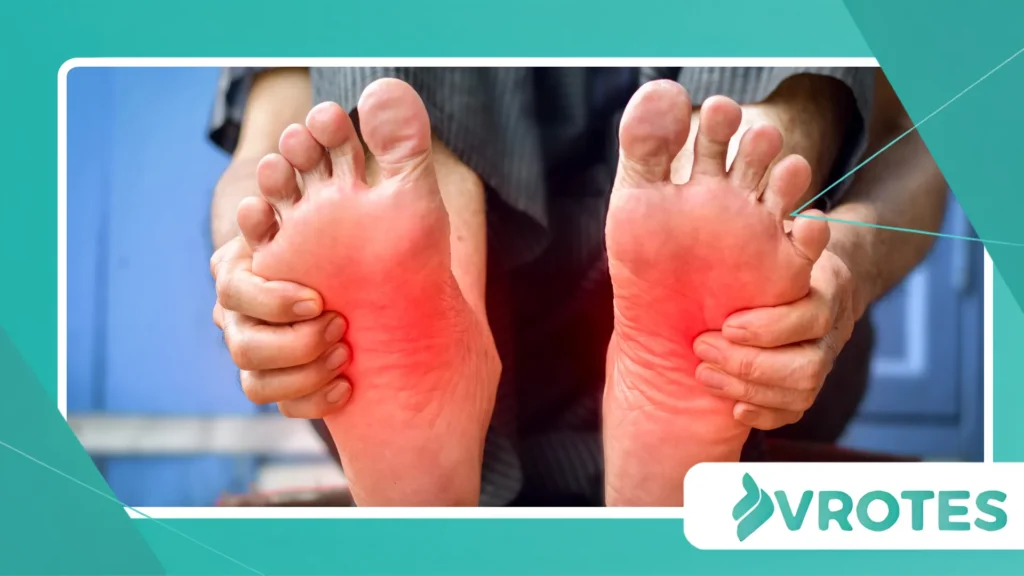
Which Clinical Treatments Offer The Best Relief?
Systemic hormone replacement therapy stands out as the most widely prescribed clinical option for completely resolving severe menopausal nerve dysfunction and associated widespread skin disruptions.
Replenishing your naturally declining estrogen levels directly calms overactive sensory nerves while rapidly restoring critical moisture barriers across your entire vulnerable epidermal surface layer.
Some concerned women prefer utilizing localized estrogen creams applied directly onto their most affected areas, minimizing broader systemic circulation while still offering excellent targeted symptom relief.
Effective non-hormonal alternatives certainly exist today, including specific low-dose antidepressants or nerve-calming medications like gabapentin, which effectively dull hyperactive sensory pathways safely and quite reliably.
++ Adaptive Fitnessprogramme bei chronischer Wechseljahresmüdigkeit
Openly discussing every available pharmacological avenue alongside your primary care provider ensures you confidently select the absolute safest therapeutic route for your unique personal medical history.
What Are Natural Ways To Soothe Your Skin?
Carefully adjusting your basic daily lifestyle routines provides truly powerful supplemental support alongside formal medical treatments for managing those bothering phantom insect crawling sensations effectively.
Upgrading your shower routine by utilizing gentle lukewarm water and highly emollient, fragrance-free body cleansers prevents the unnecessary chemical stripping of your delicate natural skin oils.
Generously applying thick, ceramide-rich moisturizers immediately after bathing perfectly locks essential hydration deep within your epidermal layers, dramatically reducing overall surface irritation potential very rapidly.
Staying optimally hydrated internally by drinking ample filtered water throughout your busy day ensures your largest organ receives adequate fundamental fluid support from the inside out.
| Menopause Symptom Category | Underlying Biological Trigger | Estimated Patient Prevalence (%) |
| Severe Dermal Dryness | Rapid Estrogen Depletion | 60% |
| Tactile Hallucinations | Nerve Pathway Hyperactivity | 20% |
| Nachtschweiß | Hypothalamus Chemical Misfires | 75% |
| Loss of Elasticity | Cellular Collagen Reduction | 80% |
How Can Stress Management Minimize Nerve Flare-Ups? Formication Symptoms
High psychological tension actively worsens physical nerve misfires, meaning chronic daily stress directly amplifies the perceived severity of your invisible skin-crawling episodes quite significantly and rapidly.
Elevated systemic cortisol levels constantly trigger widespread inflammatory responses, leaving your already vulnerable peripheral nervous system functioning on extremely high, incredibly uncomfortable alert statuses daily.
Integrating mindful daily relaxation techniques like deep diaphragmatic breathing, restorative yoga routines, or quiet meditation calms your agitated mind and simultaneously soothes highly reactive nerve endings.
Prioritizing rigorous nightly sleep hygiene strictly ensures your physically exhausted body secures enough restorative cellular downtime to repair damaged structures and balance volatile internal hormone production.

Why Are Proper Nutrition And Diet So Crucial?
Consuming a vibrantly colorful, highly nutrient-dense daily diet directly supplies the fundamental cellular building blocks your changing physical body urgently requires for optimal ongoing tissue repair.
Phytoestrogen-rich superfoods like organic roasted soybeans, ground flaxseeds, and fresh chickpeas gently mimic natural human hormone functions, potentially taking the sharpest edge off your severe neurological symptoms.
Completely eliminating known dietary inflammatory triggers like highly refined processed sugars, excessive artificial caffeine, and heavy alcohol consumption prevents unnecessary, sudden spikes in core body temperatures.
Consistently securing adequate nutritional Vitamin E and Vitamin C intake strongly supports robust natural collagen synthesis, ensuring your dermal layers remain incredibly resilient during stressful menopause transitions.
Actively partnering with a licensed registered clinical dietitian quickly helps identify specific hidden nutritional gaps exacerbating your unique physical discomforts, providing a brilliantly solid roadmap toward recovery.
Abschluss
Navigating the complex, often frustrating landscape of modern midlife changes requires profound personal patience, highly accurate medical knowledge, and a remarkably strong commitment to your health journey.
Experiencing sudden formication symptoms undeniably disrupts your daily mental peace, but realizing you possess multiple viable medical pathways toward true holistic healing brings tremendous emotional comfort.
Take smart proactive steps today by constantly consulting trusted medical professionals, carefully upgrading your daily skincare protocols, and advocating passionately for the comprehensive symptom relief you deserve.
For additional valuable reading regarding navigating this incredibly complex transitional phase, consider reviewing the detailed patient resources offered by the highly reputable Cleveland Clinic Menopause Center Heute.
Häufig gestellte Fragen
Question: Are these bothersome formication symptoms completely permanent?
No, these highly distressing tactile sensations usually fade away entirely once your fluctuating internal hormones eventually stabilize completely during your postmenopause phase.
Can anxiety medications cure this crawling sensation?
While clinical antianxiety prescriptions calm your racing mind wonderfully, they merely mask underlying hormonal nerve misfires rather than actively resolving the root physiological cause entirely.
How long do these phantom bug sensations last?
Duration varies wildly between unique individuals, but untreated severe cases frequently persist sporadically throughout the entire perimenopausal transition before eventually subsiding naturally over time.