
क्या शहरी परिवेश में "ब्लू ज़ोन" खानपान संभव है?
विज्ञापन
गोद लेना नीला क्षेत्र जब आप धुएं के गुबार, नियॉन लाइट से जगमगाती फास्ट-फूड चेन और महानगरीय चिंता की निरंतर गूंज के बीच फंसे होते हैं, तो जीवनशैली एक रोमांटिक दिवास्वप्न की तरह लग सकती है।.
हम अक्सर अत्यधिक दीर्घायु को भूमध्यसागरीय क्षेत्र की एकांत, धूप से सराबोर पहाड़ियों या जापान के दूरस्थ द्वीपों से जोड़ते हैं - ऐसे स्थान जो डिजिटल घड़ी से अछूते हैं।.
फिर भी, कंक्रीट के जंगल में इन जीवित रहने के फायदों को दोहराना पूरी तरह से संभव है; इसके लिए बस आधुनिक परिदृश्य में आगे बढ़ने के तरीके में एक आक्रामक, रणनीतिक बदलाव की आवश्यकता है।.
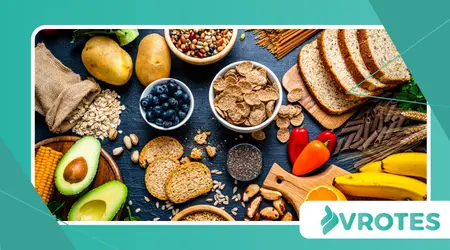
ब्लू ज़ोन आहार ढांचा क्या है?
इस सिद्धांत का मूल आधार सरल, जीवनवर्धक पोषण संबंधी स्तंभों पर टिका है जिन्हें आसानी से शहरी दिनचर्या में एकीकृत किया जा सकता है।.
| मुख्य स्तंभ | शहरी अनुप्रयोग | स्वास्थ्य लाभ |
| प्लांट-बेस्ड फाउंडेशन | दलहन, जंगली साग और मोटे अनाज को प्राथमिकता देना | कोलेस्ट्रॉल कम करता है और कोशिकाओं की मरम्मत करता है। |
| स्मार्ट खरीदारी रणनीतियाँ | स्थानीय बाजारों से सामान खरीदना और आवश्यक वस्तुओं की थोक खरीद करना | किफायती होने के साथ-साथ प्रसंस्कृत खाद्य पदार्थों से परहेज सुनिश्चित करता है। |
| सचेत अनुकूलन | डिजिटल स्क्रीन से दूर रहकर जानबूझकर भोजन करने का अभ्यास करना | तनाव हार्मोन को कम करता है और पाचन में सुधार करता है |
मुख्यधारा की वैज्ञानिक सहमति इस बात की पुष्टि करती है कि पशु प्रोटीन का सेवन कम करने और फाइबर का सेवन अत्यधिक बढ़ाने से हृदय स्वास्थ्य को सीधा लाभ मिलता है।.
आप अपने आस-पास के स्थानीय बाजार से सही सामग्री चुनकर इन सटीक जैव रासायनिक लाभों को प्राप्त कर सकते हैं।.
आज के समय में शहरी जीवन को बनाए रखने के लिए खान-पान इतना चुनौतीपूर्ण क्यों है?
आधुनिक महानगरीय वातावरण अद्वितीय बाधाएं प्रस्तुत करते हैं, विशेष रूप से अति-प्रसंस्कृत खाद्य पदार्थों की व्यापक उपलब्धता और अत्यधिक तनावपूर्ण दैनिक कार्यक्रम।.
व्यस्त पेशेवर लोग अक्सर सुविधा के लिए पोषण गुणवत्ता की बलि दे देते हैं और सोडियम और कृत्रिम परिरक्षकों से भरपूर सुविधाजनक भोजन पर निर्भर रहते हैं।.
शहरी क्षेत्रों में खाद्य पदार्थों की कमी से ताज़ी और सस्ती उपज तक पहुंच और भी जटिल हो जाती है, जिससे निवासियों को स्थानीय दुकानों पर बहुत अधिक निर्भर रहना पड़ता है।.
इसके अतिरिक्त, शेल्फ-लाइफ बढ़ाने के लिए डिज़ाइन किए गए रासायनिक योजक अक्सर आंतों के माइक्रोबायोम को बाधित करते हैं, जिससे दीर्घकालिक स्वास्थ्य लक्ष्यों को सक्रिय रूप से नुकसान पहुंचता है।.
शोध के अनुसार रोग के नियंत्रण और रोकथाम के लिए सेंटर, खराब आहार से जुड़ी दीर्घकालिक बीमारियां महानगरीय क्षेत्रों में एक प्रमुख सार्वजनिक स्वास्थ्य चुनौती बनी हुई हैं।.
इन प्रणालीगत बाधाओं को दूर करने के लिए भोजन की प्राप्ति और दैनिक भोजन तैयार करने के लिए एक सुनियोजित, संरचित दृष्टिकोण की आवश्यकता होती है।.
शहरों में ताज़ी सामग्री कैसे प्राप्त करें
शहर में उच्च गुणवत्ता वाली सामग्री प्राप्त करने के लिए आपको अपनी खरीदारी का ध्यान पारंपरिक सुपरमार्केट के मध्य गलियारों से हटाकर अन्य विकल्पों पर केंद्रित करना होगा।.
ताजा और बिना परावर्तित खाद्य पदार्थ खोजने के लिए स्थानीय किसान बाजारों, सामुदायिक सहायता प्राप्त कृषि कार्यक्रमों और विशेष जातीय किराना दुकानों को प्राथमिकता दें।.
दाल, काले सेम और स्टील-कट ओट्स जैसी सूखी वस्तुओं की थोक खरीद से आपकी रसोई किफायती तरीके से भरी रहती है।.
ये लंबे समय तक खराब न होने वाले मुख्य खाद्य पदार्थ त्वरित भोजन के लिए किफायती और पोषक तत्वों से भरपूर आधार प्रदान करते हैं, जिससे व्यस्त कार्यसप्ताह के दौरान सुविधा का बहाना बेअसर हो जाता है।.
फ्रोजन सब्जियां एक और उत्कृष्ट, किफायती विकल्प प्रदान करती हैं, जो तेजी से खराब होने के जोखिम के बिना अधिकतम पोषण मूल्य को बरकरार रखती हैं।.
++ हम जानवरों के अंगों में मौजूद पोषण को कम क्यों आंकते हैं?
बिना चीनी वाले और गैर-जीएमओ जमे हुए खाद्य पदार्थों का चयन यह सुनिश्चित करता है कि आप व्यस्त सर्दियों के महीनों के दौरान भी इष्टतम पोषक तत्वों का सेवन जारी रखें।.
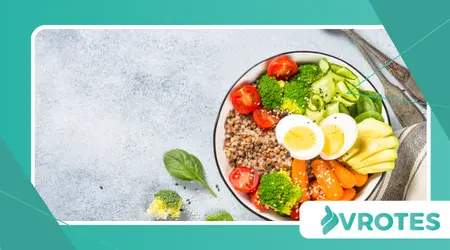
वास्तविक पोषण संबंधी प्रोफाइल: दीर्घायु के लिए आवश्यक खाद्य पदार्थ बनाम शहरी फास्ट फूड
| पोषक तत्वों की मात्रा (प्रति 100 ग्राम) | पारंपरिक काली सेम | जैविक जंगली साग | मानक फास्ट-फूड बर्गर |
| फाइबर आहार | 16.0 ग्राम | 4.0 ग्राम | 1.3 ग्राम |
| पोटेशियम | 1,483 मिलीग्राम | 450 मिलीग्राम | 240 मिलीग्राम |
| संतृप्त वसा | 0.2 ग्राम | 0.1 ग्राम | 10.0 ग्राम |
| सोडियम | 5 मिलीग्राम | 60 मिलीग्राम | 520 मिलीग्राम |
महानगरों में कौन सी सूक्ष्म आदतें दीर्घायु को बढ़ावा देती हैं?
लंबी आयु वाली आबादी की नकल करना किराने की सूची से कहीं अधिक व्यापक है; इसमें मूल रूप से दैनिक भोजन के साथ आपका मनोवैज्ञानिक संबंध भी शामिल है।.
ओकिनावा की प्रथा को लागू करना हारा हची बु यह शहरी निवासियों को 80 प्रतिशत पेट भर जाने पर खाना बंद करके अधिक खाने से रोकने में मदद करता है।.
स्मार्टफोन और काम की सूचनाओं से मुक्त, शांत भोजन वातावरण बनाने से पाचन और पोषक तत्वों के अवशोषण में काफी सुधार होता है।.
दोस्तों या सहकर्मियों के साथ भोजन साझा करने से आवश्यक सामाजिक संबंध मजबूत होते हैं, जिससे शहरी जीवन में आम तौर पर होने वाले कोर्टिसोल के स्तर में लगातार वृद्धि को कम किया जा सकता है।.
स्थानीय बाजारों तक पैदल चलना या साइकिल चलाना जैसे सक्रिय परिवहन, आपकी व्यस्त दिनचर्या में कार्यात्मक गतिविधि को सहजता से एकीकृत करते हैं।.
और पढ़ें: पुनर्योजी खेती का उदय और इसका पोषण संबंधी प्रभाव
यह शारीरिक गतिविधि दुनिया भर की पारंपरिक, स्वस्थ संस्कृतियों में देखी जाने वाली प्राकृतिक, कम तीव्रता वाली गतिविधि के पैटर्न को दर्शाती है।.
शहरी क्षेत्रों में भोजन तैयार करने की सर्वोत्तम रणनीतियाँ क्या हैं?
एक साथ अधिक मात्रा में भोजन पकाकर रखना, देर रात महानगरों से मंगाई जाने वाली टेकआउट डिलीवरी के प्रलोभन से बचाव का सबसे मजबूत तरीका है।.
प्रत्येक सप्ताहांत में कुछ घंटे निकालकर बड़ी मात्रा में क्विनोआ, ब्राउन राइस और स्वादिष्ट दाल का स्टू तैयार करें।.
तैयार की गई सामग्री को पारदर्शी कांच के डिब्बों में रखें ताकि फ्रिज खोलते ही आपको स्वास्थ्यवर्धक विकल्प तुरंत दिखाई दें।.
पहले से धुली हुई हरी सब्जियां और कटी हुई सब्जियां आसानी से उपलब्ध होने से थका देने वाली सप्ताह की शामों के दौरान भोजन तैयार करने में लगने वाला समय काफी कम हो जाता है।.
बिना सोडियम मिलाए साधारण शाकाहारी व्यंजनों का स्वाद बढ़ाने के लिए हल्दी, रोजमेरी और लहसुन जैसे विभिन्न मसालों के मिश्रण के साथ प्रयोग करें।.
++ परंपरागत कहानी सुनाना किस प्रकार भावनात्मक औषधि का काम करता है
ये शक्तिशाली वनस्पति तत्व शक्तिशाली एंटीऑक्सीडेंट गुण प्रदान करते हैं, साथ ही आपके दैनिक भोजन को रोमांचक, विविध और बेहद संतोषजनक बनाए रखते हैं।.
परिवर्तन के लिए सबसे अच्छा समय कब है?
इन बदलावों को शुरू करने के लिए किसी आदर्श उपलब्धि या जीवनशैली में पूर्ण परिवर्तन की प्रतीक्षा करने की आवश्यकता नहीं है। इन पोषण संबंधी परिवर्तनों को लागू करने का आदर्श समय आपकी अगली किराने की खरीदारी या रेस्तरां में भोजन के दौरान ही है।.
एक प्रोसेस्ड स्नैक की जगह मुट्ठी भर नट्स या ताजे फल खाने का सचेत निर्णय लेने से आपकी कोशिकाओं के स्वास्थ्य को तत्काल लाभ मिलना शुरू हो जाता है।.
एक स्थायी, आजीवन दिनचर्या का निर्माण
अपने महानगरीय जीवनशैली को बदलने के लिए दैनिक स्वास्थ्य और पोषण के प्रति पूर्णतः या शून्य दृष्टिकोण अपनाने की आवश्यकता नहीं है।.
आपकी खरीदारी की आदतों में छोटे-छोटे, क्रमिक बदलाव अंततः आपके समग्र स्वास्थ्य में महत्वपूर्ण, दीर्घकालिक सुधार लाते हैं।.
सामग्री की गुणवत्ता, आनंददायक गतिविधि और अपने निवास स्थान पर वास्तविक सामुदायिक जुड़ाव पर ध्यान केंद्रित करके इस यात्रा को अपनाएं।.
सोच-समझकर निर्णय लेकर, आप किसी भी महानगर के केंद्र में ही सफलतापूर्वक स्वास्थ्य का एक निजी आश्रय स्थल विकसित कर सकते हैं।.
आहार संबंधी स्वास्थ्य और निवारक पोषण पर अधिक साक्ष्य-आधारित मार्गदर्शन के लिए, द्वारा प्रदान किए गए आधिकारिक संसाधनों से परामर्श लें। नेशनल इंस्टीट्यूट ऑफ हेल्थ.
अक्सर पूछे जाने वाले प्रश्नों
क्या मैं कम बजट में इस जीवनशैली को अपना सकता हूँ?
हां, सूखे सेम, दालें, साबुत अनाज और मौसमी फ्रोजन सब्जियों को प्राथमिकता देना अत्यधिक किफायती है और यह दीर्घायु आहार का मूल आधार है।.
क्या इस जीवनशैली में पशु प्रोटीन का सेवन पूरी तरह से प्रतिबंधित है?
नहीं, पशु प्रोटीन पर प्रतिबंध नहीं है, लेकिन इसे आमतौर पर मुख्य भोजन के बजाय उत्सव के अवसर पर परोसे जाने वाले व्यंजन के रूप में कम मात्रा में खाया जाता है।.
शहरी रेस्तरां में सामाजिक रूप से भोजन करने का प्रबंधन कैसे करूं?
ऐसे भूमध्यसागरीय, इथियोपियाई या पूर्वी एशियाई रेस्तरां खोजें जिनमें स्वाभाविक रूप से शाकाहारी व्यंजन, साबुत अनाज, दालें और ताजी सब्जियों के व्यंजन परोसे जाते हों।.
क्या मुझे पूरी तरह से जैविक उत्पाद खरीदने की आवश्यकता है?
हालांकि जैविक उत्पाद आदर्श हैं, लेकिन पारंपरिक सब्जियों और फलों का सेवन प्रसंस्कृत खाद्य पदार्थों के सेवन से कहीं बेहतर है; साबुत खाद्य पदार्थों को प्राथमिकता देना ही प्राथमिक लक्ष्य है।.
++ ब्लू ज़ोन लाइफस्टाइल के साथ लंबा और स्वस्थ जीवन जिएं
++ स्वस्थ मन, लंबी आयु: नीले क्षेत्रों के विज्ञान और संभावनाओं के बारे में जानकारी