
Mengapa Tabiat Dapur Membentuk Kejayaan Pemakanan Jangka Panjang
iklan
In reality, your kitchen habits shape long-term nutrition success far more reliably than temporary motivation ever will.
Most people start a new eating plan by focusing on strict meal charts, calorie targets, or short-term food rules. Yet those plans often unravel after a few busy weeks because daily food choices rarely happen through pure willpower.
When your kitchen setup, shopping routines, and cooking workflows support healthy choices, nutritious eating becomes your default behavior rather than a daily battle.
Building practical, repeatable systems at home reduces decision fatigue, curbs impulsive takeout orders, and helps you maintain balanced eating patterns over months and years.
Kesimpulan Utama
- Environment beats willpower: Organizing your pantry, refrigerator, and countertops makes nutrient-dense foods easier to see, grab, and prepare than ultra-processed options.
- Repeatable routines lower daily friction: Simple habits like washing produce right after grocery shopping or batch-cooking staple grains save time on busy weeknights.
- Home cooking supports better diet quality: Preparing meals at home gives you direct control over portion sizes, added sugars, sodium, and cooking fats.
- Small upgrades outperform total overhauls: Changing one or two kitchen routines at a time builds lasting consistency without overwhelming your schedule.
How Does Your Kitchen Environment Influence What You Eat?
Your physical surroundings quietly guide hundreds of micro-decisions every week.
iklan
Behavioral nutrition research shows that people tend to eat the foods that are most visible, accessible, and ready to consume with minimal effort.
If your counter holds a bowl of washed apples and your eye-level fridge shelf stores pre-portioned Greek yogurt, those items become your automatic snacks.
Conversely, when ultra-processed snacks sit front and center while fresh ingredients stay buried in crisper drawers, convenience wins—especially when you feel tired or stressed.
Designing a supportive food environment removes the need to rely on self-control at the end of a long workday.
Strategic Food Placement and Visual Cues
A few intentional adjustments to where you store food can shift your daily intake without strict tracking:
- Keep ready-to-eat produce visible: Store washed berries, sliced bell peppers, or baby carrots in clear glass containers at eye level in the refrigerator.
- Move treat foods out of immediate sight: Place cookies, chips, and candy in opaque containers on higher pantry shelves so they require a deliberate choice rather than an automatic reach.
- Set up a dedicated hydration station: Keep a filled water pitcher or reusable bottle on the counter or desk to encourage steady fluid intake throughout the day.
Why Does Cooking at Home Matter for Sustainable Nutrition?
Restaurant meals, fast food, and pre-packaged convenience items are typically engineered for maximum palatability, often packing higher amounts of sodium, saturated fat, and added sugars than home-cooked equivalents.
Menurut Pusat Kawalan dan Pencegahan Penyakit (CDC), excess added sugars and sodium are major contributors to chronic health risks across the United States.
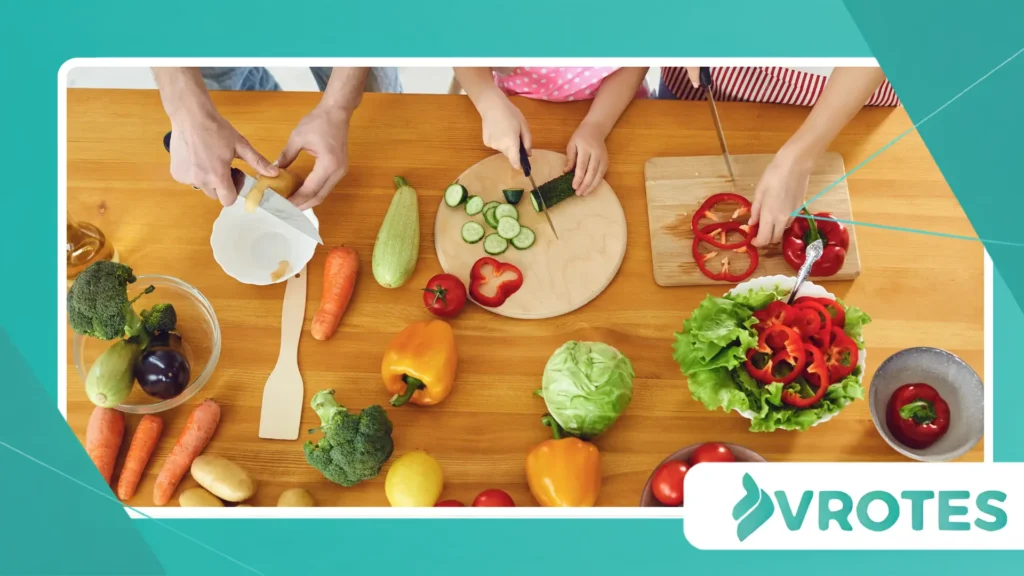
Cooking at home puts you back in charge of ingredients and portions. You decide how much oil goes into the skillet, how heavily a dish is seasoned, and what balance of vegetables, lean proteins, and whole grains fills your plate.
Over time, regular home cooking naturally aligns your daily intake with evidence-based standards like the Garis Panduan Pemakanan untuk rakyat Amerika, without requiring rigid dieting.
High-Friction Habits vs. Sustainable Kitchen Habits
| Everyday Challenge | High-Friction Approach | Sustainable Kitchen Habit |
| Weeknight Dinner Rush | Searching for complex recipes at 6:00 PM with an empty fridge | Keeping 3–4 go-to 20-minute meal templates stocked with pantry staples |
| Produce Spoilage | Buying bulk vegetables with no plan and tossing them on Sunday | Washing, chopping, and storing hearty vegetables immediately after shopping |
| Afternoon Cravings | Relying on willpower to skip vending machines or drive-thrus | Pre-portioning high-protein snacks like nuts, hummus, or cottage cheese |
| Portion Creep | Eating directly out of large bags, cartons, or serving bowls | Plating meals in the kitchen before sitting down at the dining table |
| Kitchen Cleanup Burnout | Using multiple pots and pans for every single weeknight meal | Relying on sheet-pan dinners, one-pot meals, and cleaning while cooking |
Which Daily Kitchen Habits Drive Lasting Nutrition Results?
Sustainable nutrition rarely comes from spending an entire Sunday prepping identical containers of chicken and broccoli.
++ Skyr vs. Yogurt Yunani: Yang Mana Mempunyai Lebih Banyak Protein Setiap Hidangan?
Instead, the most durable kitchen routines are lightweight habits that fit naturally into an ordinary week.
1. Stock a Versatile Core Pantry
A well-stocked pantry acts as a safety net when fresh groceries run low. When you keep reliable shelf-stable ingredients on hand, you can assemble a balanced meal in under 15 minutes instead of ordering delivery.
Baca lebih lanjut: Bagaimana Makanan Sihat Otak Menyokong Ingatan Seiring Usia Anda
Focus on versatile building blocks:
- Whole grains: Brown rice, quinoa, rolled oats, and whole-wheat pasta.
- Shelf-stable proteins: Canned black beans, chickpeas, lentils, tuna, and salmon.
- Flavor builders: Extra-virgin olive oil, low-sodium broth, canned diced tomatoes, garlic, vinegars, and dried herbs.
- Freezer backups: Frozen spinach, broccoli florets, edamame, berries, and pre-portioned chicken breasts or fish fillets.
2. Practice “Component Prep” Instead of Full Meal Prep
Full meal prep can feel monotonous and time-consuming, which is why many people abandon it after a few weeks. Component prep offers a flexible alternative.
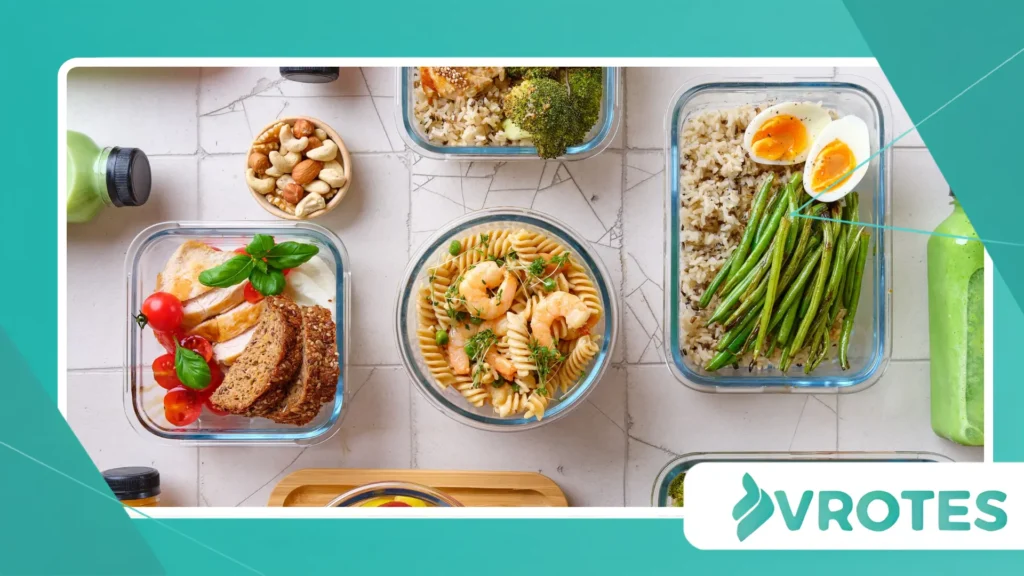
Rather than assembling complete meals, you prepare two or three versatile base ingredients—such as a pot of grains, a tray of roasted vegetables, and a batch of seasoned protein.
++ Bagaimana Kesihatan Otak Jangka Hayat Berubah Merentasi Peringkat Kehidupan yang Berbeza
During the week, you can mix and match those components into grain bowls, wraps, salads, or stir-fries with different sauces and toppings. You get the speed of prepped food while keeping meals varied and enjoyable.
3. Follow the “Clean as You Go” Rule
A sink piled high with dirty cookware is one of the fastest ways to derail tomorrow’s cooking plans.
Washing prep bowls while water boils, loading the dishwasher as ingredients simmer, and wiping counters before sitting down to eat keeps your workspace ready for the next meal.
When your kitchen starts clean, cooking feels approachable rather than overwhelming.
4. Use Consistent Meal Building Blocks
Decision fatigue often leads to skipped meals or impulsive snacking.
Using a simple visual framework—such as filling half your plate with non-starchy vegetables, a quarter with lean protein, and a quarter with fiber-rich carbohydrates—takes the guesswork out of everyday meals.
Adding a source of healthy fat, such as avocado, olive oil, or seeds, improves satiety and helps your body absorb fat-soluble vitamins.
How Can You Build Better Kitchen Habits Without Feeling Overwhelmed?
Trying to overhaul your entire kitchen in a single weekend usually leads to burnout. Behavioral change sticks best when you anchor a new habit to an existing daily routine and scale up gradually.
Audit one zone at a time: Spend 15 minutes reorganizing just your main refrigerator shelf or snack drawer this week rather than tackling every cabinet at once.
Pair prep with an existing routine: Wash and cut fruit right after unpacking groceries, or set out breakfast oats while waiting for your evening tea to steep.
Create a default grocery list: Keep a running list of your top 15 staple foods on your phone or fridge so shopping takes less mental energy.
Keep healthy convenience foods on hand: Pre-washed salad greens, microwaveable brown rice pouches, and rotisserie chicken are practical shortcuts that still support strong nutrition.
If you are managing a specific medical condition, food allergies, or complex nutritional needs, consider working with a registered dietitian (RD or RDN) who can tailor these kitchen strategies to your personal health goals.
Kesimpulan
Long-term healthy eating rarely depends on finding the perfect diet plan; it depends on building a kitchen that works in your favor every day.
By organizing your food environment, keeping versatile staples within reach, and practicing simple component prep, you make nutritious meals the easiest choice in your home.
Start this week by picking just one small habit—such as prepping two vegetables right after grocery shopping—and let that momentum carry into the rest of your routine.
Soalan Lazim
How long does it take to build consistent kitchen habits?
Most people begin noticing that basic routines—like prepping produce or cleaning while cooking—feel more automatic after three to six weeks of regular practice.
Focusing on one or two small changes at a time leads to much higher consistency than trying to change everything at once.
Do I need expensive kitchen gadgets to eat healthier at home?
No. A sharp chef’s knife, a sturdy cutting board, a large skillet, a sheet pan, and a set of clear storage containers are more than enough to prepare nutritious meals efficiently.
Specialty appliances can be helpful, but simple tools and repeatable habits matter far more.
Is frozen produce as nutritious as fresh produce for busy kitchens?
Yes. Frozen fruits and vegetables are typically picked at peak ripeness and flash-frozen, which preserves their vitamins and minerals.
Keeping plain frozen vegetables and berries in your freezer is an affordable, low-waste way to ensure you always have nutrient-dense options ready.
What is the easiest kitchen habit to start if I rarely cook?
Start by assembling no-cook or minimal-cook meals using healthy store-bought staples, such as pairing pre-washed salad greens with canned beans, microwaveable whole grains, and olive oil vinaigrette.
Once that feels routine, gradually add one simple cooked recipe per week.
++ The Nutrition Habits That Matter Most for Long-Term Wellness
++ Home cooking means healthier eating – there’s an opportunity to change food habits for good