
Bagaimana Makanan Kaya Polifenol Menyuburkan Bakteria Usus yang Bermanfaat
iklan
Mikrobiom usus berkembang maju dengan lebih daripada sekadar serat makanan ringkas.
Walaupun prebiotik yang terkenal seperti inulin sering mendominasi perbualan arus perdana tentang kesihatan pencernaan, makanan kaya polifenol memainkan peranan dwi-tindakan yang sama pentingnya dalam menyuburkan bakteria usus yang bermanfaat di samping secara aktif mengawal patogen berbahaya.
Sebatian berasaskan tumbuhan yang berkuasa ini bertindak sebagai modulator tepat untuk ekosistem dalaman anda, mengubah makanan harian menjadi sokongan metabolik yang disasarkan.
Kesimpulan Utama
- Polifenol bertindak sebagai prebiotik khusus, sebahagian besarnya tidak diserap ke dalam kolon di mana bakteria bermanfaat memakannya secara langsung.
- Mikrob usus biasa menguraikan molekul kompleks ini kepada metabolit anti-radang yang sangat bioavailable seperti asid lemak rantai pendek (SCFA).
- Beri gelap, teh hijau, koko mentah, minyak zaitun extra virgin dan rempah aromatik tertentu adalah antara sumber makanan yang paling mujarab.
- Menggabungkan bahan-bahan yang padat dengan polifenol dengan lemak sihat dan pelbagai sumber serat meningkatkan keberkesanan modulasi ususnya dengan ketara.
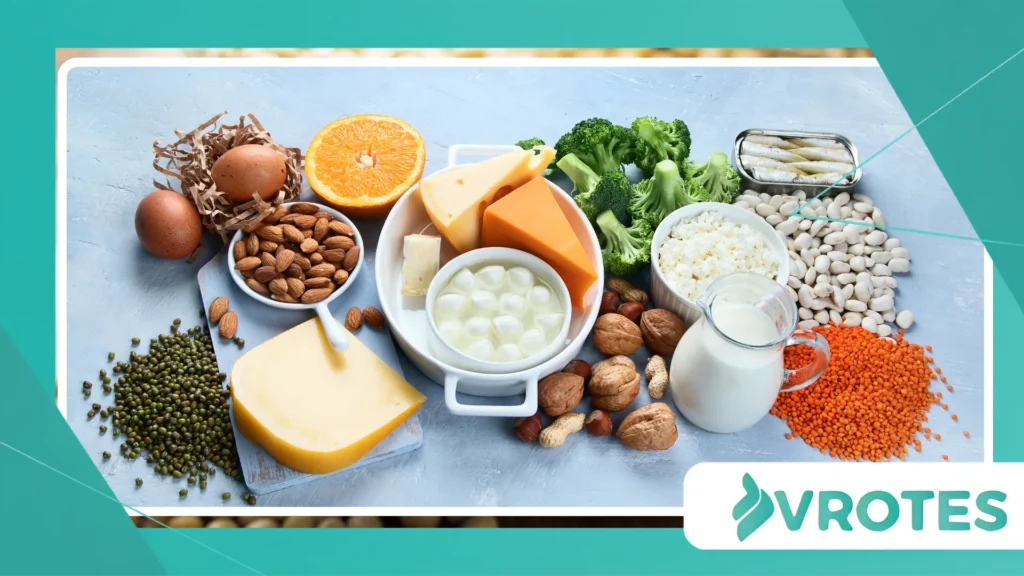
Apakah Polifenol dan Bagaimanakah Ia Mencapai Populasi Mikrob Usus Anda?
Polifenol mewakili pelbagai kelas fitokimia semula jadi yang dihasilkan dengan banyaknya oleh buah-buahan, sayur-sayuran, biji benih, kekacang dan teh.
iklan
Organisma tumbuhan mensintesis sebatian kimia semula jadi ini khusus untuk mempertahankan diri daripada tekanan persekitaran, kerosakan sinaran ultraungu dan ancaman patogen invasif.
Apabila anda mengambil tumbuhan ini secara berkala, sebatian yang sama memberikan manfaat perlindungan kepada sistem biologi anda, terutamanya dalam ekosistem halus saluran penghadaman anda.
Kebanyakan polifenol dalam diet menunjukkan bioavailabiliti yang sangat rendah dalam usus kecil. Malah, kira-kira 90% hingga 95% daripada molekul kompleks ini bergerak sepenuhnya tanpa diserap terus ke dalam usus besar.
Jauh daripada kecacatan atau ketidakcekapan biologi, kadar penyerapan yang tertangguh ini membolehkan polifenol tiba dengan utuh tepat di tempat komuniti mikrob padat anda berada, bersedia untuk melakukan kerja struktur dan pemakanan penting dalam mikrobiom anda.
Bagaimanakah Makanan Kaya Polifenol Berinteraksi Dengan Bakteria Usus yang Bermanfaat?
Hubungan antara polifenol dalam diet dan mikrob usus berfungsi sebagai jalan dua hala yang dinamik dan saling menguntungkan.
Strain bakteria yang menggalakkan kesihatan seperti Akkermansia muciniphila, Bifidobakteria, dan Lactobacillus secara aktif menggunakan polifenol kompleks sebagai sumber bahan api utama.
Melalui penapaian metabolik, organisma bermanfaat ini secara sistematik memecahkan struktur fenolik yang besar dan sukar dikawal menjadi mikrometabolit yang sangat aktif.
Metabolit yang lebih kecil dan diubah suai ini mudah masuk ke dalam peredaran darah sistemik untuk memberikan kesan anti-radang yang meluas ke seluruh sistem kardiovaskular, metabolik dan saraf anda.
Kajian klinikal komprehensif yang diterbitkan oleh Institut Kesihatan Kebangsaan, menunjukkan bagaimana metabolit mikrob ini menguatkan integriti struktur penghalang usus, dengan berkesan membantu mencegah keradangan sistemik yang disebabkan oleh lapisan usus yang terjejas.
Tambahan pula, polifenol menunjukkan sifat antimikrob terpilih di seluruh saluran penghadaman bawah.
Walaupun secara aktif menyuburkan strain yang menggalakkan kesihatan, ia secara serentak menyekat patogen oportunistik yang berpotensi berbahaya seperti Clostridium perfringens dan Helicobacter pylori.
Tekanan biologi yang disasarkan ini membantu mencegah disbiosis dan mengekalkan ekosistem mikrob yang berdaya tahan dan seimbang.
Makanan Kaya Polifenol Yang Manakah Yang Menawarkan Nilai Tertinggi untuk Kesihatan Usus?
Mengintegrasikan sumber polifenol berketumpatan tinggi ke dalam perancangan hidangan biasa anda memastikan spektrum kelas fenolik penting yang luas dan pelbagai, termasuk flavonoid, asid fenolik, stilbena dan lignan.
++ Bagaimana Sarapan Savory Menyokong Kawalan Gula Darah yang Lebih Baik
Kepelbagaian yang lebih besar dalam pengambilan tumbuhan secara keseluruhan berkait rapat dengan profil mikrobiom yang lebih mudah disesuaikan, berdaya tahan dan pelbagai dari semasa ke semasa.
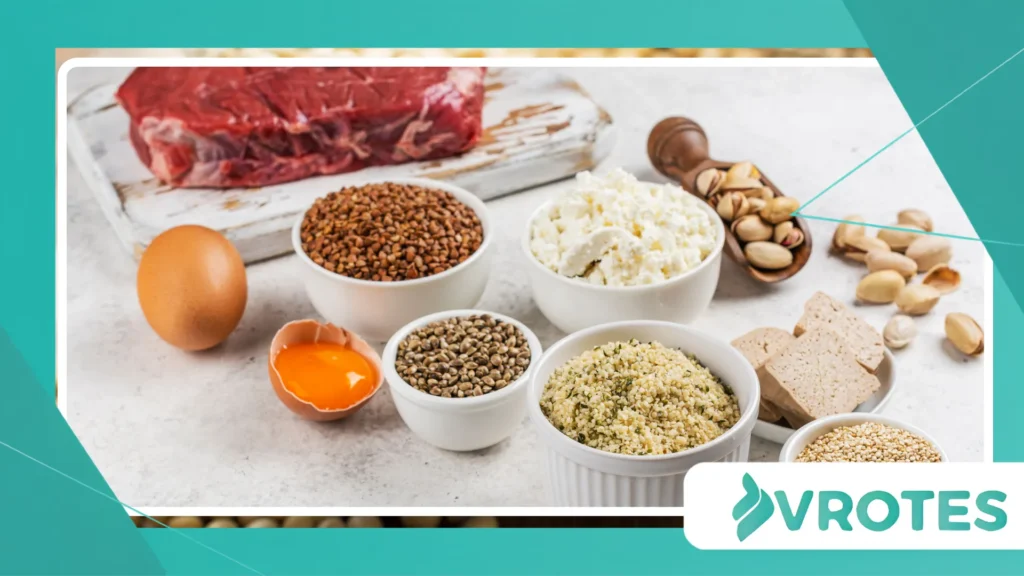
| Sumber Makanan | Kelas Polifenol Utama | Manfaat Mikrob Usus Sasaran | Tindakan Utama dalam Kolon |
| Blueberry Liar | Antosianin | Bifidobakteria, Lactobacillus | Menggalakkan pembaikan lapisan mukosa dan penghasilan SCFA |
| Teh Hijau (Matcha) | Epigallocatechin gallate (EGCG) | Akkermansia muciniphila | Menghalang pelekatan patogen pada dinding usus |
| Coklat Gelap (85%+) | Flavan-3-ols | Bifidobakteria | Mengurangkan penanda sistemik keradangan usus |
| Minyak Zaitun Dara Tambahan | Oleocanthal & Oleuropein | Lactobacillus strain | Menyokong sintesis protein simpang ketat |
| Delima | Ellagitannin | Akkermansia muciniphila | Ditukar menjadi urolithin A untuk pembaharuan sel |
Mengapakah Penukaran Mikrob Penting untuk Penyerapan Polifenol?
Polifenol diet mentah yang tidak diproses mempunyai struktur kimia yang besar dan rumit yang tidak dapat diuraikan oleh enzim pencernaan manusia dengan sendirinya.
Mikrobiom usus anda bertindak sebagai makmal biokimia yang sangat khusus, menggunakan enzim mikrob khusus untuk memecahkan molekul-molekul besar ini kepada asid fenolik yang lebih kecil dan sangat bioavailable yang sebenarnya boleh digunakan oleh badan anda.
Pertimbangkan ellagitannin yang banyak terdapat dalam buah delima, walnut dan raspberi sebagai contoh yang jelas tentang proses ini.
Strain spesifik mikrob usus yang bermanfaat memetabolismekan ellagitannin kompleks ini menjadi urolithin, terutamanya Urolithin A.
Metabolit penting ini mencetuskan mitofagi, proses kitar semula selular penting yang secara sistematik membersihkan mitokondria yang tua atau rosak dalam sel epitelium usus, secara langsung menyokong pemulihan tisu yang cepat dan jangka hayat selular.
Tanpa populasi bakteria yang berfungsi, berkembang maju dan pelbagai, badan anda akan membersihkan kebanyakan polifenol mentah tanpa membuka kunci metabolit sekunder yang berkuasa ini.
Baca lebih lanjut: Apa yang Berlaku kepada Nutrien Selepas Pembekuan dan Pencairan?
Pengambilan makanan utuh yang padat dengan polifenol mengikut jadual yang konsisten menghasilkan gelung maklum balas positif yang kuat: polifenol menyuburkan dan mengembangkan populasi bakteria tepat yang diperlukan untuk menukar polifenol masa depan kepada sebatian anti-penuaan dan anti-radang yang aktif dan melindungi.
Bagaimanakah Anda Boleh Memaksimumkan Penyerapan Polifenol Melalui Tabiat Pemakanan Harian?
Memaksimumkan bioaksesibiliti sebenar polifenol memerlukan penyediaan masakan yang strategik, gandingan bahan pintar dan tabiat pemakanan yang konsisten dan bukannya terlalu bergantung pada suplemen makmal yang terpencil.
Makanan yang utuh dan utuh memberikan kesan matriks sinergi yang tidak dapat direplikasi atau digantikan oleh pil nutrien tunggal sintetik.
Gabungkan Polifenol Dengan Lemak Sihat: Banyak sebatian fenolik yang berharga larut dengan lebih baik apabila dimakan bersama lipid diet yang sihat.
Renjiskan minyak zaitun dara tambahan yang telah ditekan sejuk ke atas beri mentah, sayur-sayuran berdaun hijau atau sayur-sayuran akar panggang untuk meningkatkan kadar penyerapan sistemik keseluruhan secara mendadak.
++ Cara Menavigasi Perubahan Hubungan Semasa Menopaus
Utamakan Tumbuhan yang Tidak Diproses Secara Keseluruhan: Teknik pemprosesan perindustrian seperti mengupas kulit, penapisan haba tinggi atau penapisan berat secara sistematik menanggalkan lapisan luar yang padat di mana tumbuhan secara semula jadi menumpukan pertahanan polifenol mereka.
Pilih beri utuh, epal organik yang tidak dikupas dan minyak yang tidak ditapis apabila boleh.
Putar Sumber Tumbuhan Anda Mingguan: Strain bakteria yang berbeza dalam usus anda lebih menyukai struktur kimia polifenol yang berbeza.
Menyasarkan 20 hingga 30 makanan berasaskan tumbuhan yang unik setiap minggu mewujudkan kepelbagaian persekitaran yang kaya yang diperlukan untuk mengekalkan koloni mikrob yang pelbagai.
Pastikan Memasak Dengan Kepanasan Sederhana: Memasak pada suhu tinggi yang berlebihan boleh merosakkan struktur flavonoid yang halus dengan cepat.
Kukus sayur-sayuran kegemaran anda dengan sedikit air atau makan mentah bersama minyak sejuk yang sihat untuk mengekalkan integriti kimia asal dan potensi maksimumnya.
Panduan pemakanan terperinci yang disediakan oleh Sekolah Kesihatan Awam Harvard TH Chan, mengesahkan bahawa pengambilan makanan utuh berasaskan tumbuhan yang utuh secara berkala menghasilkan hasil metabolik dan pencernaan yang jauh lebih baik berbanding bergantung pada suplemen ekstrak nutrisi terpencil.
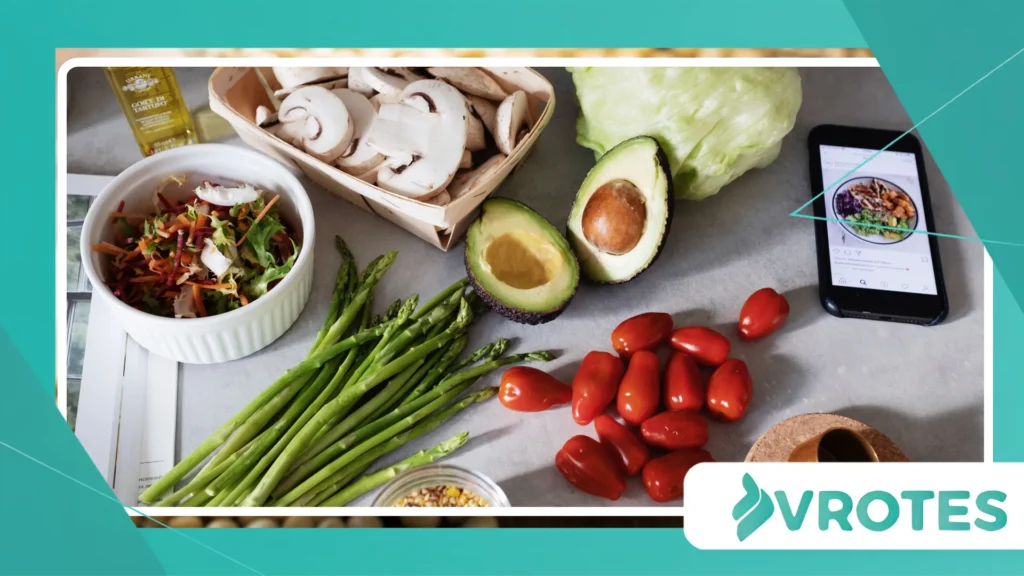
Pelan Tindakan Praktikal untuk Pengoptimuman Usus
Memulakan pelan pemakanan harian yang berfokus pada polifenol tidak memerlukan perubahan gaya hidup sepenuhnya atau peraturan pemakanan yang rumit. Sebaliknya, fokus pada tambahan harian yang mudah dan sangat berkesan yang membina momentum yang mampan dari semasa ke semasa:
Rutin Pagi: Kacau satu sudu besar serbuk koko mentah ke dalam smoothie pagi anda, atau gantikan minuman sarapan yang diproses dengan secawan teh hijau matcha upacara yang segar dan bermutu tinggi.
Hidangan Tengah Hari: Masukkan segenggam beri biru liar, walnut mentah atau sayur-sayuran berdaun gelap seperti kale dan arugula ke dalam makan tengah hari anda.
Makan Malam: Gunakan minyak zaitun dara tambahan yang diperah sejuk sebagai titisan terakhir ke atas bijirin penuh yang telah dimasak dan sayur-sayuran panggang, dan perasakan hidangan anda dengan herba masakan yang kaya dengan polifenol seperti oregano, thyme, rosemary dan kayu manis.
Soalan Lazim
Bolehkah anda mengambil terlalu banyak makanan kaya polifenol?
Pengambilan polifenol secara semula jadi melalui sumber makanan utuh hampir tidak menimbulkan risiko ketoksikan atau kesan sampingan buruk bagi individu yang sihat.
Walau bagaimanapun, suplemen sintetik dos tinggi kadangkala boleh menyebabkan tekanan metabolik atau mengganggu penyerapan zat besi, menjadikan makanan tumbuhan keseluruhan pilihan yang jauh lebih selamat dan berkesan.
Seberapa cepatkah makanan kaya polifenol mengubah bakteria usus?
Populasi mikrob bertindak balas dengan kelajuan yang luar biasa terhadap perubahan diet utama.
Perubahan yang menggalakkan dalam aktiviti bakteria bermanfaat dan penghasilan asid lemak rantai pendek boleh mula berlaku dalam masa hanya 24 hingga 48 jam selepas memperkenalkan bahan-bahan padat polifenol ke dalam makanan harian anda.
Adakah suplemen polifenol sama berkesannya dengan makanan utuh?
Makanan tumbuhan utuh menyediakan matriks semula jadi yang rumit yang mengandungi serat, mikronutrien penting dan pelbagai fenolik yang berfungsi bersama secara sinergi.
Makanan tambahan sering mengasingkan sebatian sintetik tunggal, terlepas manfaat kesihatan holistik yang disediakan oleh struktur makanan sebenar.
Adakah memasak mengurangkan kandungan polifenol dalam sayur-sayuran?
Kepanasan yang tinggi, penggorengan yang terlalu dalam dan pendidihan yang berpanjangan boleh menyebabkan polifenol yang larut dalam air terlarut keluar atau terurai dengan cepat.
Mengukus perlahan-lahan, memanggang pada suhu sederhana atau memakan tumbuhan mentah segar mengekalkan kapasiti antioksidan maksimum dan manfaat prebiotik untuk sistem penghadaman anda.
++ Interaksi polifenol dalam usus, bersama Prof. Yves Desjardins PhD