
Por que a ambivalência emocional cria estresse mental oculto
anúncio
Ambiguidade emocional—a experiência exaustiva de nutrir dois sentimentos intensamente conflitantes sobre a mesma pessoa ou situação—drena silenciosamente suas reservas cognitivas diárias.
Você pode amar profundamente sua carreira, mas detestar intensamente o trajeto diário para o trabalho, ou sentir tanto entusiasmo quanto terror em relação a uma grande mudança de vida.
Não se trata apenas de uma simples indecisão. É uma complexa disputa psicológica que força seu cérebro a processar dados contraditórios simultaneamente.
Se não for controlada, essa fricção invisível gera estresse mental crônico, paralisia decisória e esgotamento emocional profundo.
Principais conclusões
anúncio
- Definição: A ambivalência emocional é a experiência simultânea de emoções conflitantes em relação ao mesmo objeto, evento ou pessoa.
- A ligação entre o estresse e a ansiedade: Nutrir sentimentos opostos força o cérebro a um estado de dissonância cognitiva contínua, levando à exaustão mental.
- Impacto: Isso frequentemente resulta em paralisia decisória, ruminação crônica e ansiedade oculta.
- Resolução: Reconhecer e nomear emoções mistas é o primeiro passo para reduzir a carga de estresse associada a elas.
O que é ambivalência emocional?
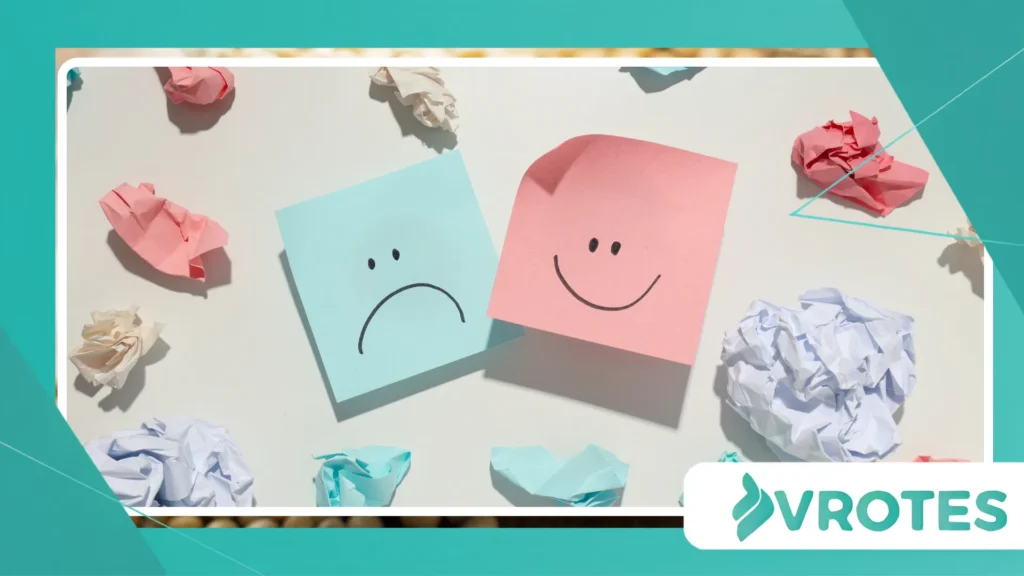
A ambivalência emocional ocorre quando você nutre sentimentos fortes e contraditórios em relação a um mesmo alvo simultaneamente.
Ao contrário da simples incerteza, em que você não tem informações suficientes para formar uma opinião, a ambivalência significa que você tem muitas informações, e elas te puxam em direções opostas.
Você sente alegria e tristeza, amor e ódio, excitação e terror.
Essa dualidade é uma parte normal das experiências humanas complexas.
Navegar por grandes transições de vida, gerenciar relacionamentos complexos ou enfrentar mudanças significativas na carreira frequentemente desencadeiam esses estados mistos.
No entanto, como nossos cérebros preferem informações claras e categorizadas, permanecer nessa área cinzenta gera atrito.
Como a ambivalência emocional gera estresse mental?
A questão central reside em como nossos cérebros processam dados conflitantes. Quando você experimenta uma única emoção — mesmo uma negativa como a raiva — seu cérebro sabe qual ação preparar.
++ Por que a correria crônica pode prejudicar a saúde emocional
O caminho está livre. A ambivalência elimina essa clareza, substituindo-a por uma luta neurológica.
Dissonância cognitiva e carga mental
Manter duas emoções opostas simultaneamente força o cérebro a trabalhar em excesso.
Pesquisas psicológicas destacam que esse estado imita a dissonância cognitiva, onde crenças conflitantes criam um profundo desconforto psicológico.
Sua mente tenta constantemente reconciliar o irreconciliável, consumindo energia mental.
Esse processamento contínuo em segundo plano age como um computador executando muitos aplicativos pesados ao mesmo tempo; eventualmente, o sistema fica mais lento.
De acordo com fontes de Institutos Nacionais de Saúde (NIH), O conflito interno crônico é reconhecido como um fator que contribui para níveis elevados de estresse basal.
Paralisia decisória
A ambivalência prejudica diretamente as funções executivas. Como cada opção apresenta fortes consequências emocionais, tanto positivas quanto negativas, fazer uma escolha torna-se impossível.
Você fica preso num ciclo de ponderação de prós e contras, incapaz de se comprometer. Essa paralisia gera ansiedade.
Leia mais: Primeiros Socorros Emocionais: Como Lidar com Momentos de Pânico ou Irritabilidade
Quanto mais tempo você permanecer indeciso, mais o estresse se acumula, criando um ciclo vicioso onde a pressão para decidir aumenta enquanto a capacidade de fazê-lo diminui.
Ruminação Crônica
Quando os sentimentos estão confusos, as pessoas tendem a ficar obcecadas com os detalhes, tentando encontrar a emoção "correta".
Isso leva à ruminação — ficar remoendo os mesmos pensamentos repetidamente sem chegar a uma resolução.
++ Yoga do Plexo Solar e Combinação de Cristais para Aterramento Emocional
A ruminação está fortemente ligada ao aumento da produção de cortisol, o principal hormônio do estresse do corpo. Você não está apenas pensando no problema; você está vivenciando fisicamente o estresse dele repetidamente.

Qual estado emocional te esgota mais rápido: emoções claras versus emoções ambivalentes?
Para entender o impacto físico e mental, é preciso analisar como diferentes estados emocionais afetam nosso funcionamento básico.
| Estado Emocional | Nível de clareza | Carga cognitiva | Resposta típica ao estresse | Resultado Comportamental |
| Singular (ex: Raiva Pura) | Alto | Baixo (Processamento linear) | Agudo, de curto prazo | Orientado para a ação (lutar ou fugir) |
| Simples indecisão | Baixo | Moderado | Leve, temporário | Busca de informações |
| Ambiguidade Emocional | Baixo | Muito Alto (Processamento Paralelo) | Crônico, sustentado | Paralisia, ruminação |
| Apatia | Alto | Baixo | Baixo (estado depressivo) | Inação, retirada |
Como ilustra a tabela, a carga cognitiva necessária para manter sentimentos ambivalentes excede em muito a energia necessária para emoções claras e singulares.
Quais são os gatilhos do mundo real para emoções mistas?
Embora o mecanismo de estresse seja interno, os gatilhos são altamente contextuais. Certos ambientes e situações são terreno fértil para a ambivalência.
A dinâmica do ambiente de trabalho muitas vezes força os indivíduos a vivenciarem estados emocionais conflitantes. Um gerente pode sentir orgulho do crescimento de um funcionário, ao mesmo tempo que se sente ameaçado pelo aumento de sua competência.
Da mesma forma, o cuidado moderno — especialmente com pais idosos — frequentemente suscita um amor profundo, aliado a um ressentimento ou exaustão intensos.
Compreender esses fatores desencadeantes ajuda a normalizar a experiência, o que é um passo crucial para mitigar o estresse resultante.
Para mais informações sobre como lidar com cenários emocionais complexos, consulte o Associação Americana de Psicologia (APA) Oferece orientações abrangentes sobre gerenciamento de estresse.
O impacto da ambivalência nos relacionamentos
Quando você projeta emoções contraditórias em amigos ou familiares, a inconsistência comportamental resultante prejudica seriamente os relacionamentos.
Num dia você pode estar extremamente afetuoso e, no dia seguinte, estranhamente distante, à medida que a emoção oposta toma conta.
Essa imprevisibilidade cria um ambiente caótico para os entes queridos, muitas vezes levando à ansiedade recíproca e à diminuição da confiança.
Reconhecer esse conflito interno é fundamental. Ao comunicar seus sentimentos conflitantes abertamente, você transforma o comportamento confuso em um obstáculo compartilhado, preservando as conexões interpessoais enquanto lida com a complexidade da situação.

Como você pode resolver o estresse da ambivalência?
O objetivo não é necessariamente forçar uma única emoção, mas reduzir o sofrimento causado pelo conflito.
Primeiro, pratique a identificação com os detalhes emocionais. Em vez de dizer "Eu me sinto estranho(a) em relação a isso", nomeie especificamente os sentimentos conflitantes: "Estou animado(a) com a oportunidade, mas estou apavorado(a) com a possibilidade de fracassar".“
Rotular as emoções com precisão reduz a reatividade da amígdala.
Em segundo lugar, aceite que múltiplas verdades podem coexistir. Você pode amar alguém e estar furioso com essa pessoa.
O que gera o atrito cognitivo é ter que se forçar a escolher um sentimento em detrimento do outro.
Adotar o "e" em vez do "ou" permite que o cérebro pare de lutar contra si mesmo, reduzindo imediatamente o estresse mental oculto.
Perguntas frequentes
Qual a diferença entre ambivalência emocional e indecisão?
A indecisão geralmente surge da falta de informação ou de uma preferência leve.
A ambivalência emocional envolve manter fortes e profundamente conflitantes emoções (como amor e ódio) em relação à mesma coisa simultaneamente.
A ambivalência emocional pode causar sintomas físicos?
Sim. Porque desencadeia estresse crônico e ruminação, e a ambivalência prolongada pode levar a sintomas físicos associados a altos níveis de cortisol, como fadiga, dores de cabeça tensionais e distúrbios do sono.
É normal sentir-se emocionalmente ambivalente em relação a grandes mudanças na vida?
Sem dúvida. Grandes transições, como casamento, mudança de residência ou aposentadoria, naturalmente trazem consigo ganhos significativos e perdas inerentes, tornando as emoções mistas a resposta psicológica mais apropriada e comum.
++ Que utilidade tem a ambivalência?
++ A psicóloga Cat Norris fala sobre os prós e os contras da ambivalência.