
How Fitness Wearables Can Personalize Menopause Workouts
anúncio
Modern fitness wearables solve this precise challenge by transforming real-time biological shifts into actionable data, allowing women to align their training with their body’s changing physiology rather than fighting against it.
Navigating perimenopause and menopause often feels like trying to hit a moving target.
Hormonal fluctuations directly alter resting heart rate, core body temperature, and recovery capacity, making traditional, static fitness plans frustratingly ineffective.
- Principais conclusões:
- Hormone-Driven Metrics: Heart rate variability (HRV) and basal body temperature tracking signal when to push and when to prioritize active recovery.
- Customized Pacing: Real-time data helps adjust workout intensity, preventing the elevated cortisol levels that accelerate muscle loss and abdominal fat storage.
- Sleep & Recovery Optimization: Advanced sleep-stage monitoring guides daily training decisions to manage mid-life fatigue.
- Actionable Wearable Metrics: Specific devices track precise physiological markers necessary to adjust strength and cardio routines safely.
How Do Menopause Hormones Change Your Response to Exercise?
During perimenopause and menopause, declining estrogen levels impact insulin sensitivity, cardiorespiratory efficiency, and muscle mass retention.
Estrogen naturally supports muscle repair and helps regulate cortisol, the primary stress hormone.
anúncio
When estrogen drops, intense, prolonged cardiovascular exercise can induce prolonged cortisol spikes, leading to persistent fatigue, poor recovery, and targeted weight gain around the midsection.
“Adaptability beats rigidity every time during the menopausal transition. Using real-time biometric feedback stops you from overtraining on low-recovery days.”
Understanding these biological changes allows for a smarter approach to exercise design.
Instead of adhering to rigid weekly schedules, incorporating continuous health monitoring creates a flexible framework that respects baseline physiological stress.
How Do Fitness Wearables Track Menopause Symptoms in Real Time?
Wearable technology has evolved far beyond step counting. Today’s devices measure nuanced physiological shifts that correlate directly with hormonal fluctuations:
Heart Rate Variability (HRV): A higher HRV indicates a balanced nervous system ready for strain, while a drop signals systemic stress, hot flashes, or incomplete recovery.
Skin & Core Temperature Variations: Continuous temperature sensors detect nocturnal heat spikes and daytime hot flashes, helping explain sudden dips in stamina.
Continuous Sleep Architecture: Advanced algorithms differentiate between REM, deep, and light sleep, surfacing patterns disrupted by night sweats.
Resting Heart Rate (RHR): Uncharacteristic elevations in RHR often signal systemic inflammation or heightened stress levels before physical symptoms manifest.
++ Por que o monitoramento do VO2 máximo é importante para mulheres após a menopausa
By reviewing these parameters each morning, active women can objectively decide whether to focus on heavy strength training, high-intensity interval training (HIIT), or restorative movement.
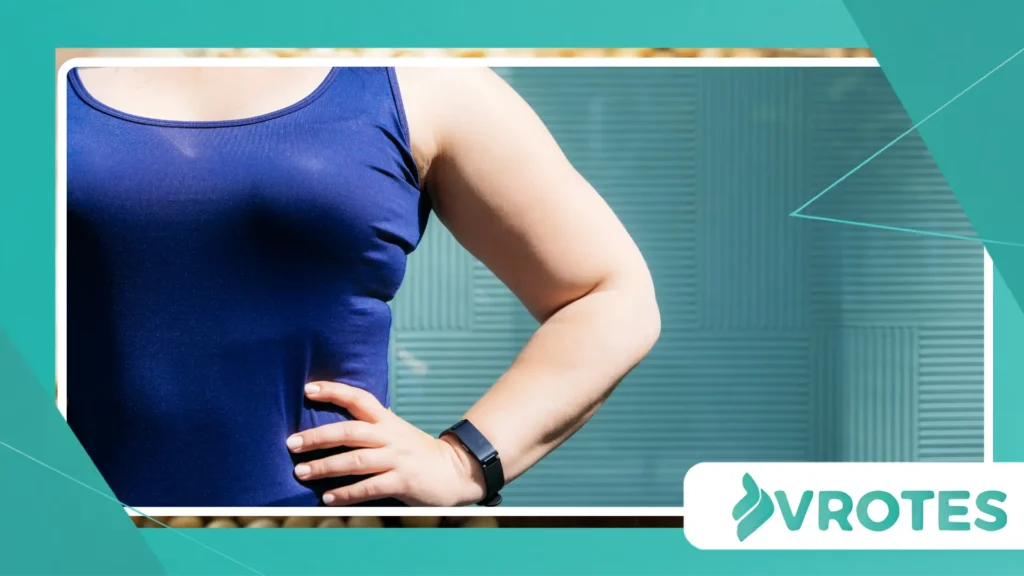
Which Wearable Features Best Support Menopause Workout Adjustments?
Selecting the right device depends on which specific biometrics drive your training decisions. The comparison below outlines how market-leading devices handle key menopause-related tracking needs:
| Device & Category | Core Biomarkers Tracked | Primary Benefit for Menopause Workouts | Ideal Use Case |
| Oura Ring Gen 4 (Smart Ring) | Continuous skin temp, Nighttime HRV, Sleep stages | Direct correlation between night sweats, sleep debt, and daily readiness | Prioritizing daily strain scores based on sleep quality |
| Garmin Fenix / Venu Series (GPS Smartwatch) | Body Battery, Stress Tracking, HRV Status | Algorithmic scoring that combines sleep, stress, and movement | Tailoring strength and endurance sessions |
| WHOOP 4.0 (Screenless Band) | Strain Score, Recovery Score, Respiratory Rate | Granular daily feedback on strain capacity versus muscular recovery | Optimizing high-intensity interval training (HIIT) timing |
| Apple Watch Series 10 / Ultra 2 (Multipurpose) | Temperature sensing, ECG, Sleep Apnea detection | Comprehensive daily health overview with immediate heart rate alerts | Everyday health monitoring alongside custom workout tracking |
How Should You Adjust Your Workouts Based on Wearable Data?
Data collection yields little value without structured execution. Translating daily wearable metrics into practical workout modifications protects lean muscle mass while mitigating systemic stress.
High Readiness / Optimal Recovery Days
When your device reflects a high HRV, low resting heart rate, and strong sleep scores, your body is primed to handle neural load and metabolic stress.
- Focus on heavy, compound resistance training (3 to 5 sets of 4 to 8 repetitions).
- Incorporate short, high-intensity interval sessions (15 to 20 minutes of sprint interval training).
- Target progressive overload to stimulate bone density and muscle protein synthesis.
Moderate Strain / Neutral Days
When biometrics show average readiness, maintain stimulus without pushing your nervous system to exhaustion.
Execute moderate resistance training focusing on higher repetition ranges (8 to 12 reps) with lower loads.
++ Como a Liberação Miofascial Auxilia na Mobilidade Diária
Choose steady-state Zone 2 aerobic cardio, such as brisk walking, cycling, or swimming, to build mitochondrial health without spiking cortisol.
Maintain movements that reinforce mobility and joint health.
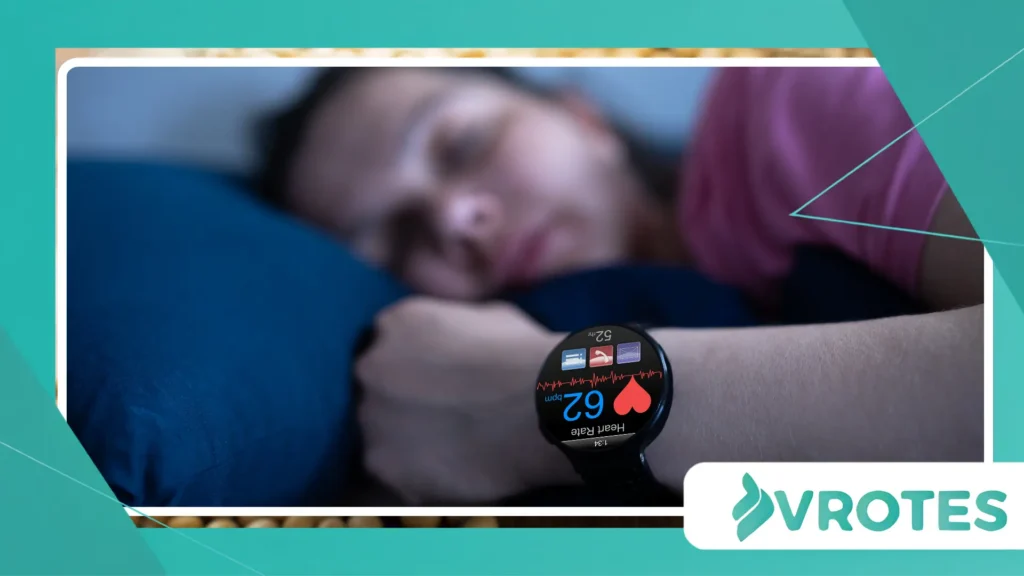
Low Recovery / High Stress Days
When skin temperature spikes indicate nighttime hot flashes or your HRV drops significantly, high-intensity training becomes counterproductive.
Pivot to restorative movement: low-impact yoga, mobility flows, or gentle walking outdoors.
Emphasize parasympathetic activation through dedicated breathing exercises integrated into modern wearable operating systems.
De acordo com pesquisas clínicas publicadas pela Institutos Nacionais de Saúde, managing stress responses through tailored physical activity helps stabilize endocrine function during mid-life transitions.
Why Is Strength Training Vital, and How Does Data Prevent Overtraining?
Preserving lean skeletal muscle mass is non-negotiable during menopause.
Estrogen loss accelerates sarcopenia (age-related muscle decline), directly impacting metabolic rate and bone density. However, lifting heavy weights requires robust neuromuscular recovery.
Wearable recovery metrics act as a safeguard against overtraining syndrome. Pushing through severe physical fatigue with heavy lifts raises injury risks and exacerbates hormonal imbalances.
Monitoring recovery scores ensures that intense lifting sessions occur only when tissue repair systems are fully operational.
How Do You Integrate Wearable Insights into a Weekly Routine?
Building a dynamic routine around wearable feedback requires shifting from fixed schedules to biometric-driven programming.
Check Baseline Data: Evaluate your daily readiness or recovery score every morning before selecting your activity.
Select Movement Type: Match high scores with heavy lifting or HIIT; pair low scores with Zone 2 cardio or active recovery.
Log Symptoms: Utilize companion apps to log hot flashes, mood shifts, or joint stiffness alongside your automatic wearable data.
Evaluate Weekly Trends: Review 7-day and 30-day HRV and sleep trends to determine if overall physical stress is increasing or stabilizing over time.
Medical researchers at the Clínica Mayo emphasize that monitoring long-term physiological trends provides crucial context for discussing hormonal shifts with healthcare providers.

Perguntas frequentes
Can fitness wearables predict hot flashes during exercise?
While current consumer wearables do not predict hot flashes before they occur, their continuous surface temperature and optical heart rate sensors register the sudden peripheral vasodilation and heart rate spikes that accompany them.
Reviewing these logs helps identify specific exercise triggers, such as room temperature or exercise intensity.
What is the single most important metric on a fitness wearable for menopause?
Heart Rate Variability (HRV) is generally considered the most valuable metric.
Because HRV directly reflects the balance between your sympathetic (“fight or flight”) and parasympathetic (“rest and digest”) nervous systems, it provides a clear window into how your body is handling both lifestyle stress and hormonal fluctuations.
How does Zone 2 training help manage menopause symptoms?
Zone 2 cardio—exercise performed at an intensity where you can comfortably hold a conversation—promotes mitochondrial efficiency and improves insulin sensitivity without causing significant cortisol spikes.
Wearables make it simple to monitor your target heart rate zone, keeping intensity low enough to foster aerobic endurance without overtaxing your endocrine system.
++ Menopause Moves Mainstream: How Wearables Are Finally Tuning into the Midlife Shift
++ In What Ways Can Wearable Health Technologies Empower Women in Menopause?