
Dicas para superar a solidão na menopausa
anúncio
Superando a solidão na menopausa Começa por compreender que o seu profundo sentimento de isolamento não é uma falha pessoal, mas sim uma combinação complexa de mudanças biológicas e transições da meia-idade.
Quando a queda dos níveis de estrogênio altera a química do cérebro, manter conexões sociais de repente se torna exaustivo.
Vamos explorar estratégias práticas e comprovadas cientificamente para ajudá-lo(a) a recuperar sua energia, reconstruir relacionamentos significativos e redescobrir a si mesmo(a).
Principais conclusões
- As flutuações hormonais alteram diretamente a química cerebral, afetando o humor e o desejo social.
- As mudanças sociais da meia-idade, como as alterações na dinâmica familiar, agravam os sintomas físicos.
- Distinguir entre depressão clínica e isolamento temporário é crucial para o tratamento adequado.
- O envolvimento comunitário ativo e estruturado oferece a melhor defesa contra o isolamento a longo prazo.
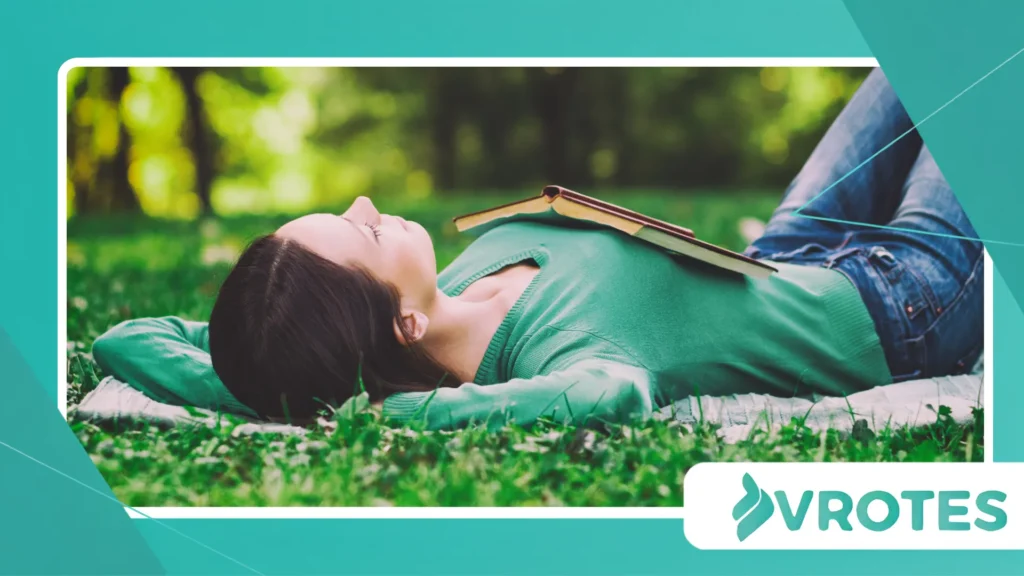
Por que a menopausa desencadeia sentimentos de isolamento?
O estrogênio e a progesterona fazem muito mais do que regular o seu ciclo reprodutivo. Esses hormônios influenciam fortemente a produção de serotonina e dopamina no cérebro.
anúncio
Quando esses níveis químicos caem de forma imprevisível durante a perimenopausa, seu humor basal muda, fazendo com que as interações sociais pareçam desgastantes em vez de energizantes.
A essas mudanças internas somam-se as transições externas típicas dessa faixa etária. Mulheres entre 40 e 50 anos frequentemente enfrentam uma tempestade perfeita de identidades em constante transformação.
A saída dos filhos de casa, a necessidade de cuidados por parte dos pais idosos ou mudanças nas trajetórias de carreira podem, repentinamente, desmantelar estruturas sociais de longa data.
Essa combinação cria uma vulnerabilidade biológica e ambiental ao isolamento social.
Reconhecer que esse isolamento tem uma base neurológica e situacional válida elimina a culpa frequentemente associada ao afastamento dos amigos.
Quais são os sintomas ocultos da solidão na menopausa?
Identificar o problema geralmente leva tempo, pois os sintomas são semelhantes aos de outros problemas de saúde da meia-idade.
Muitas mulheres confundem seu desejo repentino de cancelar planos com cansaço físico ou com um novo traço de personalidade introvertida.
Às vezes, o isolamento se manifesta fisicamente antes mesmo de você perceber o impacto emocional.
++ Por que a procrastinação na hora de dormir por vingança prejudica a saúde mental
Níveis elevados de cortisol decorrentes da solidão crônica podem agravar os sintomas da menopausa, criando um ciclo vicioso frustrante.
| Categoria de sintomas | Sinais comuns da menopausa | Sinais relacionados à solidão |
| Físico | Ondas de calor, dores nas articulações, suores noturnos | Letargia inexplicável, tensão crônica, distúrbios do sono independentes de sudorese. |
| Emocional | Irritabilidade, mudanças repentinas de humor, confusão mental | Sentimento de invisibilidade, entorpecimento emocional, relutância em pedir ajuda. |
| Social | Esquecer compromissos, precisar de mais descanso. | Evitar ativamente encontros sociais, sentindo-se desconectado mesmo na presença de amigos próximos. |

Como você pode se reconectar consigo mesmo e com os outros?
Quais mudanças de estilo de vida realmente funcionam?
O movimento altera rapidamente a química do cérebro. Uma caminhada rápida diária ao ar livre faz mais do que manter a saúde cardiovascular; reduz o cortisol e cria oportunidades para interações sociais espontâneas.
Além de permitir exercícios individuais, participar de grupos estruturados elimina o trabalho árduo de organizar encontros por conta própria.
Procure por clubes de leitura, aulas de arte ou grupos de caminhada locais onde o foco seja uma atividade compartilhada em vez de forçar uma conversa.
De acordo com os recursos clínicos fornecidos por Instituto Nacional do Envelhecimento em relação ao isolamento social, Participar ativamente em atividades comunitárias reduz drasticamente os riscos para a saúde cognitiva e física associados à solidão crônica.
Qual o papel do apoio profissional e médico?
Os profissionais de saúde mental oferecem um espaço neutro e seguro para lidar com as complexas emoções da meia-idade.
A Terapia Cognitivo-Comportamental (TCC), especificamente adaptada para mulheres na menopausa, ensina habilidades altamente eficazes para reformular pensamentos negativos sobre o envelhecimento e a autoestima.
Leia mais: Como as viagens futuras aumentam a ansiedade e a fadiga mental
Abordar o aspecto fisiológico com um profissional de saúde é igualmente importante.
Discutir opções como a Terapia Hormonal da Menopausa (THM) pode estabilizar as severas flutuações químicas que causam alterações de humor.
Tratar o desequilíbrio hormonal subjacente geralmente fornece a energia básica necessária para reconstruir sua vida social.
Onde estão as melhores comunidades para apoio em 2026?
As redes de apoio evoluíram significativamente, oferecendo opções mais personalizadas e acessíveis do que nunca.
Os modelos híbridos de comunidade dominam atualmente o cenário, combinando a conveniência dos fóruns online com a intimidade de encontros presenciais locais.
Encontrar comunidades baseadas em evidências garante que você receba validação sem cair em ciclos de desinformação médica.
Organizações como Sociedade da Menopausa Mantemos excelentes diretórios para ajudá-lo a encontrar profissionais certificados e grupos de apoio confiáveis.
Participar de grupos especializados permite que você compartilhe experiências com mulheres que compreendem profundamente o impacto psicológico singular dessa transição biológica.
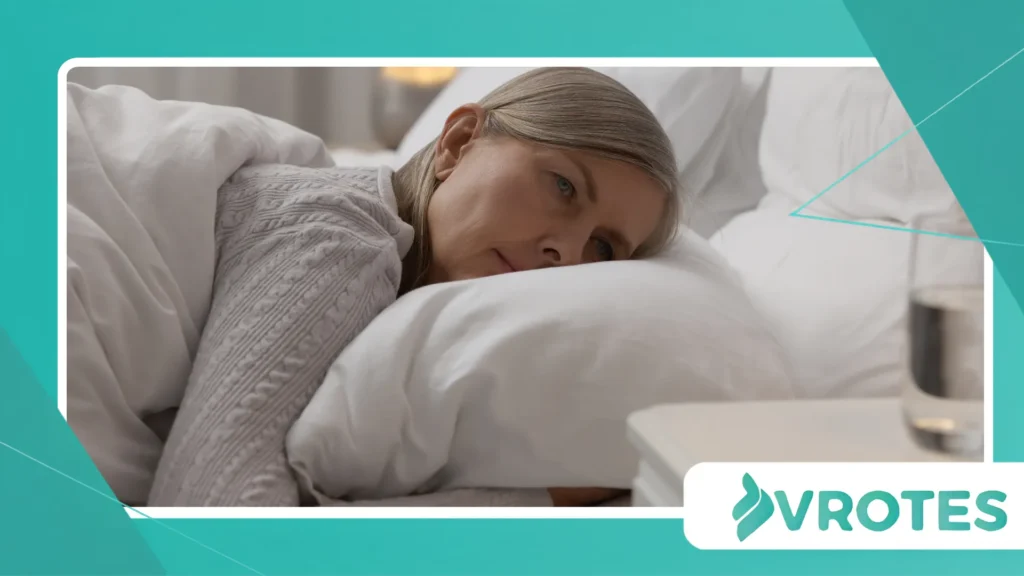
Abraçando novas paixões
Explorar novos hobbies oferece uma poderosa ponte para sair do isolamento. Aprender uma nova habilidade força naturalmente o cérebro a construir novas vias neurais, combatendo diretamente a névoa mental da meia-idade.
++ Por que a expiração prolongada auxilia na recuperação do sistema nervoso
Participar de workshops locais ou ingressar em redes criativas online permite que você entre em contato com pessoas que compartilham interesses semelhantes.
Atividades compartilhadas eliminam o constrangimento das conversas superficiais, ao mesmo tempo que promovem, de forma orgânica, amizades genuínas e duradouras.
Retomando sua vida social
Cuidar do seu bem-estar social exige ações pequenas e deliberadas. Você não precisa participar de todos os encontros para se sentir conectado.
Comece agendando uma atividade leve por semana, como uma caminhada curta com um amigo. Proteja seus limites energéticos com firmeza, mas permaneça aberto a conexões que estejam em sintonia com seus valores.
Reconstruir uma comunidade durante a meia-idade permite que você forme um círculo que realmente reflita seus valores atuais.
Isso garante que seu próximo capítulo permaneça vibrante, autêntico e totalmente apoiado por amigos.
Perguntas frequentes
Qual a diferença entre depressão em geral e solidão na menopausa?
Embora compartilhem sintomas semelhantes, como tristeza e fadiga, a solidão na menopausa costuma aumentar em conjunto com as flutuações hormonais e envolve especificamente uma profunda sensação de desconexão com a comunidade ou a identidade anterior.
A depressão clínica é tipicamente mais abrangente, constante e requer um diagnóstico médico formal.
Quanto tempo costuma durar o impacto emocional da perimenopausa?
A turbulência emocional varia muito de pessoa para pessoa, mas geralmente persiste durante o período de transição da perimenopausa, que pode durar de quatro a dez anos.
Os sintomas geralmente se estabilizam após a menopausa, quando os níveis hormonais se ajustam ao seu novo patamar.
Por que minhas amizades atuais parecem tão diferentes agora?
Sua tolerância a interações superficiais costuma diminuir durante a meia-idade devido à mudança de prioridades e à redução das reservas de energia.
É provável que você esteja ansiando por conexões mais profundas e autênticas, o que pode fazer com que amizades antigas, baseadas em hábitos, pareçam repentinamente inadequadas ou exaustivas.
Quais são os melhores primeiros passos para reconstruir meu círculo social aos 50 anos?
Priorize a consistência em vez da intensidade. Compareça regularmente a um local específico da sua região — como uma cafeteria do bairro, uma aula de ginástica especializada ou uma horta comunitária — para se tornar uma figura conhecida.
Rotinas compartilhadas naturalmente fomentam relacionamentos orgânicos e sem pressão ao longo do tempo.
++ Como lidar com a solidão durante a menopausa
++ 3 maneiras de encontrar sua tribo: superando a solidão durante a menopausa