
เหตุใดอาหารที่อุดมไปด้วยโคลีนจึงช่วยเสริมสร้างประสิทธิภาพการทำงานของสมอง
โฆษณา
การปรับปรุงโภชนาการประจำวันของคุณด้วย อาหารที่อุดมไปด้วยโคลีน นำเสนอแนวทางที่ได้รับการสนับสนุนทางวิทยาศาสตร์เพื่อประสิทธิภาพการทำงานของสมองที่เฉียบคมขึ้น การเรียกคืนความทรงจำที่เร็วขึ้น และพลังงานทางจิตใจที่ยั่งยืน.
สมองของคุณพึ่งพาสารประกอบอินทรีย์ชนิดนี้เป็นอย่างมากในการผลิตอะเซทิลโคลีน ซึ่งเป็นสารสื่อประสาทที่สำคัญต่อการควบคุมอารมณ์ การควบคุมกล้ามเนื้อ และสมาธิในการทำงานอย่างลึกซึ้ง.
ประเด็นสำคัญ
- ไข่แดงและตับวัวเป็นแหล่งสารอาหารที่มีความเข้มข้นและดูดซึมได้ดีที่สุด.
- ผู้ที่รับประทานอาหารจากพืชสามารถบรรลุเป้าหมายปริมาณสารอาหารที่ควรได้รับต่อวันได้อย่างสบายๆ โดยใช้ถั่วเหลืองคั่ว เห็ดหอม และผักตระกูลกะหล่ำ.
- ความต้องการทางชีวภาพในแต่ละวันของร่างกายมนุษย์อยู่ระหว่าง 425 ถึง 550 มิลลิกรัมสำหรับผู้ใหญ่ส่วนใหญ่ แต่คนส่วนใหญ่ได้รับสารอาหารไม่เพียงพอ.
- การบริโภคในปริมาณที่เพียงพอจะช่วยส่งเสริมการสร้างเซลล์ประสาทใหม่และป้องกันการเสื่อมสภาพของโครงสร้างสมองตามวัย.
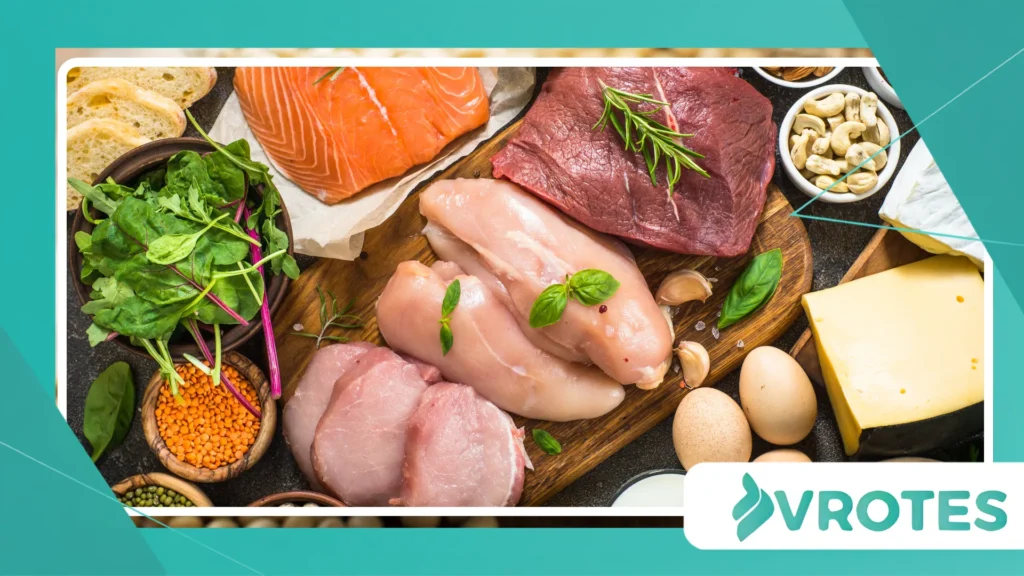
อาหารที่มีโคลีนสูงชนิดใดที่ช่วยเพิ่มประสิทธิภาพการทำงานของสมองได้ดีที่สุด?
การได้รับสารอาหารนี้จากแหล่งธรรมชาติจะช่วยให้เซลล์ดูดซึมได้สูงสุด โปรตีนจากสัตว์มักให้ความเข้มข้นสูงสุด แต่การรับประทานอาหารจากพืชก็สามารถตอบสนองความต้องการในแต่ละวันได้เช่นกัน หากวางแผนมื้ออาหารอย่างมีกลยุทธ์.
| แหล่งอาหาร | ขนาดรับประทาน | ปริมาณโคลีน (มิลลิกรัม) | หมวดหมู่ทางโภชนาการ |
| ตับวัว (ปรุงสุก) | 3 ออนซ์ (85 กรัม) | 356 มก. | เนื้อสัตว์ / ผลิตภัณฑ์จากสัตว์ |
| ไข่ต้มสุก | 1 ขนาดใหญ่ | 147 มก. | สัตว์ปีก / ผลิตภัณฑ์จากสัตว์ |
| ถั่วเหลืองคั่ว | 1/2 ถ้วย | 107 มก. | พืชตระกูลถั่ว / จากพืช |
| อกไก่ | 3 ออนซ์ (85 กรัม) | 72 มก. | เนื้อสัตว์ / ผลิตภัณฑ์จากสัตว์ |
| ปลาแซลมอนที่จับจากธรรมชาติ | 3 ออนซ์ (85 กรัม) | 63 มก. | อาหารทะเล / ผลิตภัณฑ์จากสัตว์ |
| เห็ดชิตาเกะ | 1/2 ถ้วย | 58 มก. | เชื้อรา / จากพืช |
| ควินัว (ปรุงสุก) | 1 ถ้วย | 43 มก. | ธัญพืช / ที่ทำจากพืช |
| คอทเทจชีส | 1 ถ้วย | 39 มก. | ผลิตภัณฑ์นม / ผลิตภัณฑ์จากสัตว์ |
| บรอกโคลี (ปรุงสุก) | 1/2 ถ้วย | 31 มก. | ผัก / ที่ทำจากพืช |
มาดูกันว่าแหล่งอาหารที่มีประสิทธิภาพที่สุดอะไรบ้างที่คุณควรนำมาใช้ในการเตรียมอาหารประจำสัปดาห์ เพื่อให้จิตใจแจ่มใสอย่างต่อเนื่อง.
โฆษณา
ไข่ทั้งฟองและปัจจัยของไข่แดง
นักโภชนาการมักเรียกไข่ว่าเป็นวิตามินรวมที่ดีที่สุดจากธรรมชาติ ไข่ต้มสุกขนาดใหญ่หนึ่งฟองให้สารอาหารเป้าหมายของเราประมาณ 147 มิลลิกรัม ทำให้เป็นระบบการนำส่งสารอาหารที่มีประสิทธิภาพสูง.
สารประกอบเกือบทั้งหมดนี้อยู่ในไข่แดง การทิ้งไข่แดงหมายถึงการทิ้งส่วนประกอบที่สมองต้องการเพื่อสร้างเยื่อหุ้มเซลล์ที่แข็งแรง.
ตับวัวและเครื่องในวัว
ตามธรรมเนียมการทำอาหารนั้น เครื่องในสัตว์ได้รับการยกย่องมาอย่างยาวนานว่ามีคุณค่าทางโภชนาการสูงเป็นพิเศษ ตับวัวทอดในกระทะเพียง 3 ออนซ์ มีสารอาหารมากถึง 356 มิลลิกรัม.
การนำตับมาผสมกับเนื้อบดหรือรับประทานในรูปแบบปาเต้แบบดั้งเดิม ช่วยบำรุงระบบประสาทได้อย่างมหาศาล อาหารแบบดั้งเดิมใช้ตับอย่างแพร่หลาย ซึ่งเป็นแนวทางที่โภชนาการเชิงฟังก์ชันสมัยใหม่กำลังฟื้นฟูขึ้นมาอย่างจริงจัง.
ถั่วเหลืองและแหล่งพลังงานจากพืช
ผู้ที่ทานมังสวิรัติและวีแกนพึ่งพาถั่วเหลืองเป็นอย่างมากเพื่อเติมเต็มสารอาหารที่ขาดไป ถั่วเหลืองคั่วครึ่งถ้วยให้โซเดียมประมาณ 107 มิลลิกรัม.
++ อาหารที่อุดมไปด้วยโพลีฟีนอลช่วยบำรุงแบคทีเรียที่ดีในลำไส้ได้อย่างไร
ถั่วแระญี่ปุ่นและผลิตภัณฑ์ถั่วเหลืองหมัก เช่น เทมเป้ เป็นส่วนประกอบสำคัญที่ช่วยเสริมสร้างสุขภาพของเซลล์ การจัดโครงสร้างอาหารจากพืชโดยเน้นพืชตระกูลถั่วเหล่านี้ จะช่วยให้คุณไม่ตกต่ำในด้านการบำรุงรักษาการทำงานของสมอง.
ปลาแซลมอนที่จับจากธรรมชาติ
ปลาที่มีไขมันสูงมีประโยชน์สองต่อเมื่อพิจารณาถึงการเสริมสร้างการทำงานของสมอง นอกจากจะมีกรดไขมันโอเมก้า 3 ในปริมาณสูงแล้ว ปลาที่มีไขมันสูงในปริมาณมาตรฐาน 3 ออนซ์ ยังให้กรดไขมันโอเมก้า 3 เกือบ 63 มิลลิกรัมอีกด้วย.
การผสมผสานองค์ประกอบเฉพาะเหล่านี้เข้าด้วยกันจะสร้างสภาพแวดล้อมทางชีวภาพที่เหมาะสมสำหรับการสร้างเซลล์ประสาท การอบหรือย่างปลาแบบเบาๆ จะช่วยรักษาสารไขมันที่ละเอียดอ่อนซึ่งจำเป็นต่อการดูดซึมที่ดีที่สุด.
เห็ดชิตาเกะ
เห็ดเป็นแหล่งอาหารที่น่าประหลาดใจและมีรสชาติอร่อยที่ช่วยเสริมสร้างความแจ่มใสของจิตใจ เห็ดหอมสุกครึ่งถ้วยสามารถเพิ่มปริมาณวิตามินดีเกือบ 60 มิลลิกรัมให้กับปริมาณที่ร่างกายต้องการต่อวัน.
อ่านเพิ่มเติม: การผสมผสานโปรตีนและไฟเบอร์เพื่อลดการรับประทานอาหารว่างตอนกลางคืน
การนำเห็ดมาผสมในผัดหรือไข่เจียวตอนเช้าจะช่วยเสริมสร้างคุณค่าทางโภชนาการให้ครบถ้วน นอกจากนี้ เห็ดยังมีเบต้ากลูแคนที่มีเอกลักษณ์เฉพาะ ซึ่งช่วยเสริมสร้างระบบภูมิคุ้มกันไปพร้อมกันด้วย.
ควินัวและธัญพืชโบราณ
การเปลี่ยนจากข้าวขาวธรรมดามาเป็นธัญพืชที่มีคุณค่าทางโภชนาการสูงอย่างควินัว จะช่วยยกระดับมื้ออาหารของคุณได้ทันที ควินัวสุก 1 ถ้วย ให้ควินัวประมาณ 43 มิลลิกรัม.
นอกเหนือจากการช่วยบำรุงสมองแล้ว ธัญพืชโบราณชนิดนี้ยังให้กรดอะมิโนครบถ้วน การนำมาใช้เป็นส่วนประกอบหลักในอาหารกลางวันจะช่วยให้คุณสามารถผสมผสานส่วนผสมที่ช่วยบำรุงสมองหลายอย่างเข้าด้วยกันได้อย่างลงตัว.
คอทเทจชีสและผลิตภัณฑ์นมหมัก
ผลิตภัณฑ์นมหมักเป็นทางเลือกของว่างที่สะดวกและอุดมไปด้วยโปรตีน คอทเทจชีสหนึ่งถ้วยมาตรฐานมีโปรตีนเกือบ 39 มิลลิกรัม.
++ เหตุใดการยุ่งวุ่นวายเรื้อรังจึงส่งผลเสียต่อสุขภาพทางอารมณ์
การนำไปปั่นเป็นสมูทตี้หรือรับประทานคู่กับผลเบอร์รี่สดจะช่วยเสริมสร้างการทำงานของสมองในช่วงกลางวันได้อย่างสมดุล นอกจากนี้ ผลิตภัณฑ์จากนมยังให้แคลเซียมและโปรไบโอติกที่สำคัญต่อการบำรุงรักษาสมดุลระหว่างลำไส้และสมองอีกด้วย.
ผักตระกูลกะหล่ำ
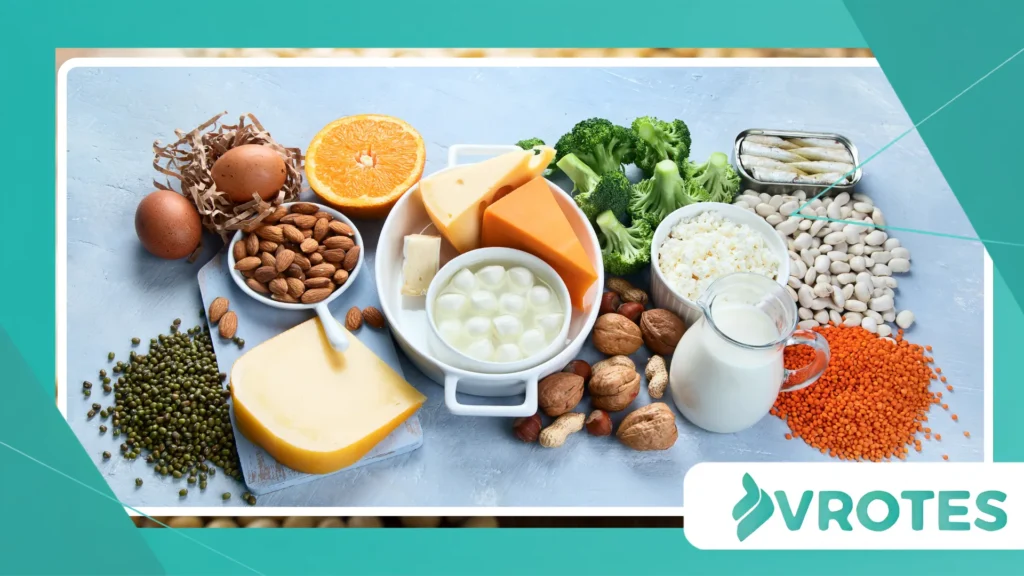
บรอกโคลี กะหล่ำปลี และดอกกะหล่ำ เป็นผักที่ให้พลังงานต่ำ เหมาะสำหรับรับประทานในชีวิตประจำวัน บรอกโคลีสับนึ่งครึ่งถ้วยให้พลังงานประมาณ 31 มิลลิกรัม.
การนำผักใบเขียวเหล่านี้มาวางคู่กับโปรตีนที่มีคุณค่าทางโภชนาการสูง จะช่วยเพิ่มคุณค่าทางโภชนาการโดยรวมของมื้อเย็นของคุณ การนึ่งแบบเบา ๆ จะช่วยรักษาสารประกอบที่ละลายน้ำได้ดีกว่าการต้มแบบรุนแรง.
โคลีนในอาหารช่วยปกป้องความทรงจำระยะยาวได้อย่างไร?
สารตั้งต้นในอาหารมีผลโดยตรงต่อการผลิตสารสื่อประสาทภายในร่างกาย เมื่อย่อยแล้ว เอนไซม์จะเปลี่ยนสารประกอบอินทรีย์นี้ให้เป็นอะเซทิลโคลีน.
ระดับอะเซทิลโคลีนในกระแสเลือดที่สูงขึ้นมีความสัมพันธ์อย่างมากกับการจดจำที่ดีขึ้นและความเร็วในการประมวลผลข้อมูลที่เร็วขึ้นในสภาพแวดล้อมทางคลินิก.
นักวิจัยติดตามตรวจสอบอย่างต่อเนื่องว่าการขาดสารอาหารบางชนิดส่งผลต่อการเสื่อมถอยของความรู้ความเข้าใจอย่างไรตลอดหลายทศวรรษ.
ข้อมูลที่เผยแพร่โดย สำนักงานผลิตภัณฑ์เสริมอาหาร สถาบันสุขภาพแห่งชาติ, ซึ่งเน้นย้ำว่าการได้รับสารอาหารที่เพียงพอในช่วงวัยพัฒนาการและวัยผู้ใหญ่ตอนปลายส่งผลกระทบอย่างมากต่อความยืดหยุ่นของระบบประสาทในระยะยาว.
การปกป้องมวลโครงสร้างของสมองต้องอาศัยสารอาหารที่สม่ำเสมอและต่อเนื่องทุกวัน มากกว่าการเสริมวิตามินและแร่ธาตุเป็นครั้งคราวเมื่อจำเป็น.
นอกเหนือจากการสร้างสารสื่อประสาทแล้ว สารอาหารนี้ยังมีบทบาทสำคัญในกระบวนการเมทิลเลชั่นของดีเอ็นเออีกด้วย.
กระบวนการเมทิลเลชันควบคุมว่าร่างกายของคุณจะเปิดหรือปิดยีนเฉพาะอย่างไร การแสดงออกของยีนที่เหมาะสมนั้นขึ้นอยู่กับการมีวัตถุดิบเพียงพอในการจัดการกระบวนการทำงานของเซลล์ที่ซับซ้อนเหล่านี้ในแต่ละวัน.
วิตามินบีทำงานร่วมกับโคลีนได้อย่างไร?
สารอาหารต่างๆ มักไม่ทำงานแยกกันในร่างกายมนุษย์ โฟเลต (วิตามินบี 9) และวิตามินบี 12 ทำงานร่วมกับโคลีนเพื่อรักษาสุขภาพสมองให้ดีที่สุด นอกจากนี้ยังช่วยควบคุมระดับโฮโมซิสเตอีนในกระแสเลือดด้วย.
ระดับโฮโมซิสเตอีนที่สูงขึ้นมักบ่งชี้ถึงความเสี่ยงที่เพิ่มขึ้นของปัญหาเกี่ยวกับระบบหัวใจและหลอดเลือด และความบกพร่องทางสติปัญญา.
การรับประทานผักใบเขียวให้เพียงพอควบคู่ไปกับโปรตีนจากสัตว์คุณภาพสูง จะช่วยรักษาสมดุลของสารอาหารทั้งสามชนิดนี้ได้.
ความบกพร่องในกระบวนการใดกระบวนการหนึ่งมักจะบังคับให้ร่างกายดึงเอาสารอาหารสำรองจากกระบวนการอื่นมาใช้ ทำให้เกิดภาวะขาดสารอาหารเป็นลูกโซ่.
อะไรคือสิ่งที่จำเป็นในแต่ละวันเพื่อให้มีสมาธิที่ดีที่สุด?
ระยะการเจริญเติบโตทางชีวภาพ อายุ และเพศ มีอิทธิพลอย่างมากต่อปริมาณสารอาหารพื้นฐานที่ควรได้รับต่อวัน โดยทั่วไปแล้ว ผู้ชายวัยผู้ใหญ่ต้องการสารอาหาร 550 มิลลิกรัมต่อวัน เพื่อรักษาระดับการทำงานพื้นฐานของร่างกาย.
โดยปกติแล้วผู้หญิงวัยผู้ใหญ่ต้องการวิตามินบี 1 ประมาณ 425 มิลลิกรัม ภายใต้สภาวะทางสรีรวิทยาปกติ.
การตั้งครรภ์และการให้นมบุตรทำให้ความต้องการทางสรีรวิทยาเหล่านี้เปลี่ยนแปลงไปอย่างมาก คุณแม่ที่กำลังตั้งครรภ์ควรตั้งเป้าไว้ที่ 450 มิลลิกรัม ในขณะที่คุณแม่ที่ให้นมบุตรต้องการมากถึง 550 มิลลิกรัม เพื่อสนับสนุนการพัฒนาสมองของทารก.
การบันทึกมื้ออาหารของคุณเพียงไม่กี่วันมักจะเผยให้เห็นช่องว่างที่น่าประหลาดใจในกิจวัตรประจำวันของคุณ อาหารตะวันตกสมัยใหม่ส่วนใหญ่ขาดสารอาหารตามคำแนะนำพื้นฐานเหล่านี้อย่างมาก.
ขั้นตอนปฏิบัติถัดไปของคุณคืออะไร?
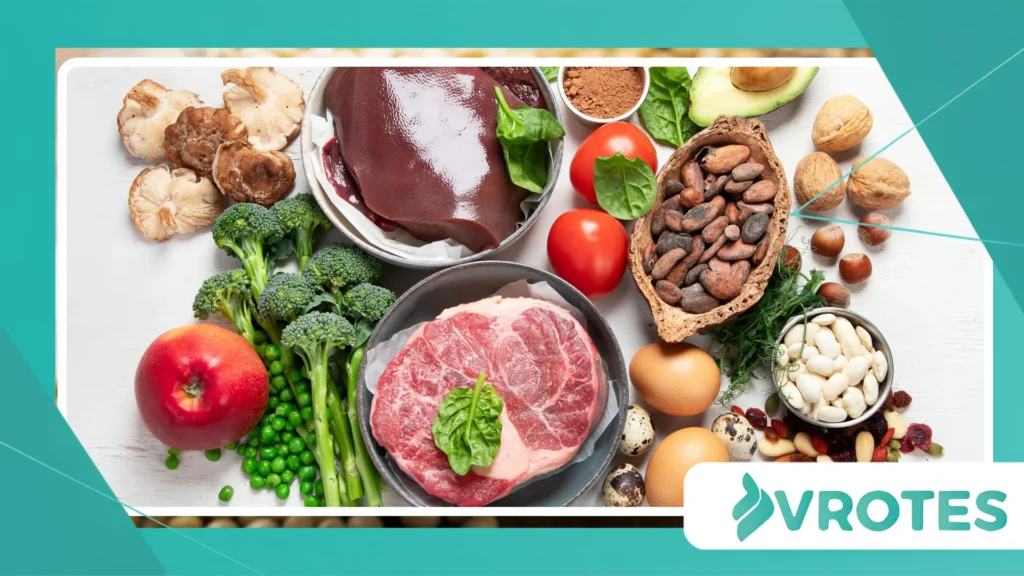
การปรับปรุงรายการซื้อของชำยังคงเป็นกลยุทธ์ที่มีประสิทธิภาพที่สุดในการปกป้องความสามารถทางสมองของคุณ เริ่มต้นด้วยการเพิ่มไข่ไก่สองฟองลงในอาหารเช้าประจำวันของคุณ.
หรืออีกทางเลือกหนึ่ง ลองเปลี่ยนเครื่องเคียงประเภทคาร์โบไฮเดรตแบบเดิมๆ ของคุณเป็นกะหล่ำปลีบรัสเซลส์อบ หรือเห็ดชิตาเกะอบสักจานใหญ่ๆ ดูสิ.
การปรับปรุงด้านโภชนาการเล็กๆ น้อยๆ อย่างตั้งใจ จะสะสมเพิ่มขึ้นเรื่อยๆ เมื่อเวลาผ่านไป ส่งผลให้มีสมาธิมากขึ้นและจดจำได้ดีขึ้นในระหว่างการทำงานที่ต้องใช้สมาธิสูง.
เพื่อความเข้าใจที่ลึกซึ้งยิ่งขึ้นเกี่ยวกับวิธีที่วิถีชีวิตและอาหารส่งผลต่อสุขภาพสมองในระยะยาว โปรดศึกษาแหล่งข้อมูลทางคลินิกที่จัดทำโดย... สมาคมอัลไซเมอร์, สามารถช่วยคุณสร้างกิจวัตรประจำวันที่ยืดหยุ่นและช่วยเสริมสร้างสมองได้.
คำถามที่พบบ่อย
ฉันจะได้รับโคลีนเพียงพอจากอาหารมังสวิรัติได้หรือไม่?
ใช่ แต่การทำเช่นนั้นต้องอาศัยการวางแผนมื้ออาหารอย่างรอบคอบ การรับประทานถั่วเหลืองคั่ว เต้าหู้ ควินัว และผักตระกูลกะหล่ำ เช่น บรอกโคลี จะช่วยให้คุณได้รับโซเดียมในปริมาณ 425-550 มิลลิกรัมต่อวัน การติดตามปริมาณอาหารที่รับประทานในช่วงแรกจะช่วยให้แน่ใจว่าคุณจะไม่พลาดปริมาณที่ต้องการ.
อาหารเสริมสังเคราะห์มีประสิทธิภาพเทียบเท่ากับอาหารธรรมชาติหรือไม่?
อาหารธรรมชาติให้การดูดซึมสารอาหารได้ดีกว่าอย่างสม่ำเสมอ เนื่องจากมีสารประกอบร่วมที่จำเป็นซึ่งช่วยในการย่อยอาหาร.
แม้ว่าผลิตภัณฑ์เสริมอาหารอย่าง Alpha-GPC หรือ CDP-Choline จะช่วยเติมเต็มช่องว่างทางโภชนาการในระยะสั้นได้ดี แต่การบริโภควัตถุดิบจากธรรมชาติอย่างครบถ้วนยังคงเป็นมาตรฐานสูงสุดสำหรับสุขภาพที่ดีอย่างยั่งยืน.
จะเกิดอะไรขึ้นถ้าฉันบริโภคสารอาหารชนิดนี้มากเกินไป?
การรับประทานเกินปริมาณสูงสุดที่ร่างกายยอมรับได้ ซึ่งอยู่ที่ 3,500 มิลลิกรัมต่อวัน อาจก่อให้เกิดผลข้างเคียงที่ไม่พึงประสงค์ได้.
อาการของการบริโภคมากเกินไปอย่างรุนแรง ได้แก่ กลิ่นตัวคาวปลา ความผิดปกติในระบบทางเดินอาหาร และเหงื่อออกมากเกินไป.
การได้รับสารพิษในปริมาณที่ถึงระดับนี้ด้วยการรับประทานอาหารธรรมชาติแบบครบถ้วนเพียงอย่างเดียว แทบจะเป็นไปไม่ได้เลยสำหรับคนทั่วไป.
วิธีการปรุงอาหารของฉันส่งผลต่อความหนาแน่นของสารอาหารหรือไม่?
สารประกอบที่ละลายน้ำได้จะเสื่อมสภาพเมื่อสัมผัสกับการต้มที่อุณหภูมิสูงเป็นเวลานาน การนึ่ง การอบ หรือการทอดในกระทะด้วยไฟอ่อนจะช่วยรักษาสภาพของโมเลกุลได้ดีกว่ามาก.
การคงน้ำที่ใช้ในการปรุงอาหาร เช่น ซุปหรือสตูว์ ไว้ จะช่วยให้คุณคงสารอาหารที่อาจละลายออกมาในระหว่างการปรุงอาหารไว้ได้ด้วย.
++ ประโยชน์ของโคลีนต่อสุขภาพสมองและการทำงานของระบบการรับรู้
++ โคลีนและการเสริมสร้างความสามารถทางปัญญา: คู่มือฉบับสมบูรณ์!