
ทฤษฎี Blue Mind ช่วยในการฟื้นฟูจากความเครียดได้อย่างไร
โฆษณา
Grounded in neurobiology and environmental psychology, Blue Mind theory explains how proximity to aquatic environments shifts the human brain into a mildly meditative, restorative state.
When life feels relentlessly overwhelming, many people intuitively head toward the nearest shoreline, lake, or riverside.
That instinctive pull toward water is not just a pleasant escape; it is a hardwired physiological mechanism.
In a world dominated by constant notifications and chronic sympathetic nervous system activation, understanding this biological response offers an accessible tool for mental wellbeing.
This guide explores the science behind aquatic stress recovery, practical application methods, and how you can leverage these insights even if you live miles away from the ocean.
โฆษณา
ประเด็นสำคัญ
- The Neurobiological Shift: How water exposure reduces cortisol and elevates feel-good neurotransmitters like dopamine and serotonin.
- Blue Mind vs. Red Mind: Understanding the transition from high-stress sensory overload to calm, focused recovery.
- Practical Applications: Concrete ways to incorporate aquatic therapy into daily routines, including urban alternatives.
- Comparative Benefits: How blue spaces compare directly to green spaces in lowering anxiety and cognitive fatigue.
What Is Blue Mind Theory?
Marine biologist Dr. Wallace J. Nichols coined the term Blue Mind to describe the mildly meditative state the human brain enters when near, in, on, or under water.
Grounded in neuroscience, the theory posits that humans possess an evolutionary affinity for aquatic environments.
Being near water triggers a cascade of neurochemical changes that lower heart rates, reduce blood pressure, and ease psychological strain.
For decades, psychological research focused primarily on “Green Mind”—the restorative impact of forests, parks, and terrestrial nature.
While green spaces provide undeniable stress relief, recent environmental health studies demonstrate that aquatic environments (“Blue Spaces”) often generate even stronger restorative effects.
Water engages all five senses simultaneously, providing a gentle sensory input that allows the prefrontal cortex to rest and recharge.
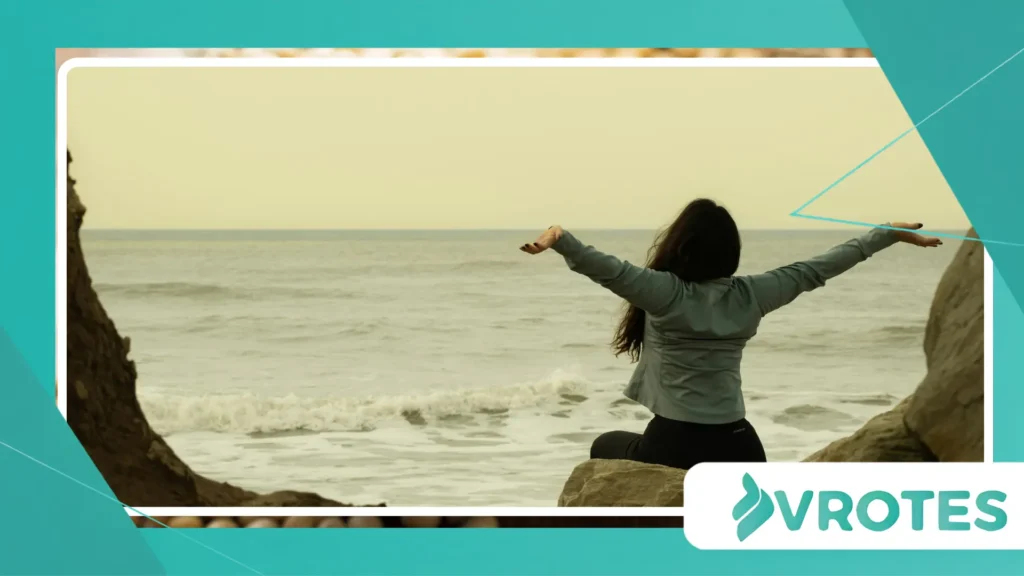
How Does Water Exposure Affect the Human Brain and Body?
Chronic stress locks the human nervous system into a continuous “Red Mind” state—a hyper-vigilant condition characterized by high cortisol levels, elevated heart rates, and cognitive burnout.
Transitioning out of Red Mind requires sensory inputs that signal safety to the autonomic nervous system. Aquatic settings excel at sending these precise physiological signals.
When you sit near a body of water, your visual field simplifies. The movement of waves or gentle ripples provides what psychologists call “soft fascination.”
Unlike a smartphone screen or busy street intersection that demands active, draining attention, water captures passive attention.
This subtle shift allows your brain’s prefrontal cortex to disengage from constant problem-solving and task management.
From a neurochemical perspective, blue space exposure stimulates the parasympathetic nervous system (the “rest and digest” mode).
Brain scans reveal an increase in alpha brain waves—associated with relaxed alertness—and a corresponding reduction in sympathetic nervous system arousal.
++ เหตุใดพิธีกรรมการงดใช้อุปกรณ์ดิจิทัลจึงช่วยปรับปรุงสุขภาพทางอารมณ์ได้
Furthermore, the natural soundscapes of moving water mask chaotic environmental noise, lowering systemic inflammation markers linked to long-term mental fatigue.
Why Is Blue Mind Theory Essential for Stress Recovery?
Stress recovery requires more than just stopping work; it requires active physiological restoration.
The human brain cannot heal from burnout while continuously monitoring environmental threats or processing complex digital information.
อ่านที่นี่: เหตุใดเสียงรบกวนสีน้ำตาลจึงช่วยเพิ่มสมาธิและฟื้นฟูจิตใจ
Water environments create an ideal ecological niche for rapid mental recovery through specific environmental characteristics:
- Visual Simplicity: The horizon over a body of water reduces visual clutter, shrinking cognitive load.
- Auditory Rhythm: The steady frequency of wave action matches human resting breathing rates, soothing the amygdala.
- Tactile Grounding: Thermal changes from water contact trigger the mammalian dive reflex, instantly slowing cardiac activity.
- Negative Air Ions: Coastal and waterfall environments feature high concentrations of negative ions, which research links to enhanced mood regulation.
The biological imperative to seek water is not merely aesthetic—it is a vital component of human stress resiliency.
Blue Mind vs. Green Mind: Which Is Better for Mental Restoration?
Both aquatic and terrestrial settings offer proven health benefits, yet they engage the nervous system through distinct pathways.
++ ภาวะฮอร์โมนที่มากเกินไปส่งผลต่อการทำงานในชีวิตประจำวันอย่างไร
Understanding these differences helps tailor specific nature interventions based on your current psychological needs.
| คุณสมบัติ | Blue Space (Water) | Green Space (Forests/Parks) |
| Primary Sensory Trigger | Rhythm, sound masking, visual horizon | Visual complexity, phytoncides (plant oils) |
| Nervous System Impact | Rapid parasympathetic activation | Sustained cortisol reduction |
| Cognitive Effect | Deep Default Mode Network resting | Mindful presence and sensory focus |
| เหมาะสำหรับใช้งานกับ... | Acute anxiety, mental burnout, emotional grief | Physical fatigue, attention deficit, daily tension |
| Urban Equivalents | Fountains, aquariums, cold showers | Houseplants, urban gardens, tree-lined streets |
จากการวิจัยที่ตีพิมพ์โดย สถาบันสุขภาพแห่งชาติ, coastal proximity consistently correlates with better self-reported health, lower distress scores, and higher levels of physical activity compared to inland living.
While green spaces excel at restoring directed attention after long work hours, blue spaces excel at emotional processing and anxiety reduction.
The fluid, constantly changing nature of water forces the mind out of repetitive, obsessive thought loops (rumination) without demanding intense concentration.

How Can You Apply Blue Mind Principles in Daily Life?
Accessing the restorative power of water does not require booking an expensive tropical vacation or moving to a coastal town.
You can integrate Blue Mind principles into your daily routine regardless of your geographic location.
1. Direct Natural Engagement
Visiting local rivers, lakes, ponds, or oceans remains the gold standard. Aim for 20 to 30 minutes of unstructured time near natural water bodies twice a week.
Leave digital devices turned off or stored in a bag to prevent constant micro-interruptions from disrupting your sensory immersion.
2. Built and Urban Blue Spaces
Urban planners increasingly design public areas with aquatic features specifically to lower city-wide stress levels.
Spending your lunch break beside a city fountain, visiting an aquarium, or walking along a canal offers measurable reductions in physiological tension.
3. At-Home Hydrotherapy
Your home environment holds immediate opportunities for aquatic stress recovery:
Mindful Bathing: A warm bath at the end of the day mimics the sensory weightlessness of open water, relaxing skeletal muscles.
Contrast Showers: Ending a shower with 30 seconds of cold water activates the vagus nerve, immediately raising alertness while dropping heart rate.
Acoustic Environment: Utilizing high-fidelity natural water recordings (waves, rain, flowing streams) during high-stress work periods masks disruptive workplace noise.
To read more about environmental wellness strategies and public health initiatives, review guidance from the U.S. Environmental Protection Agency on blue space conservation and urban greening benefits.
What Are the Most Common Blue Mind Micro-Habits?
Building stress resilience works best through small, repeatable actions rather than rare, elaborate retreats. Consider adopting these four simple micro-habits to keep your nervous system balanced throughout the week:
Morning Vagal Reset: Splash cold water on your face for 30 seconds upon waking to kickstart vagal tone and regulate your circadian rhythm.
Hydration Mindfulness: Pause for ten seconds before drinking water to focus entirely on the temperature, taste, and sensation of swallowing.
Audio Anchor: Replace background white noise or podcasts with natural ocean or rain sounds during deep focus work sessions.
Visual Breaks: Set your digital desktop or phone background to a high-resolution, calm aquatic landscape to trigger brief visual micro-rests throughout the day.

คำถามที่พบบ่อย
Does virtual water exposure work as well as real water exposure?
While real water provides the richest sensory experience (including temperature, smells, and negative ions), research shows that virtual exposure—such as high-definition videos, virtual reality environments, or natural soundscapes—still produces significant, measurable drops in heart rate and stress levels.
How long do I need to be near water to lower my stress levels?
Studies indicate that as little as 20 minutes of immersive contact with natural environments begins to significantly lower salivary cortisol levels.
However, even a 5-minute deliberate pause beside an urban fountain delivers brief restorative benefits to the nervous system.
Can cold immersion therapy be considered part of Blue Mind theory?
Yes. Cold water immersion triggers acute physiological reactions, including the mammalian dive reflex, which rapidly drops heart rate and stimulates the vagus nerve.
When practiced safely, cold therapy serves as an intense, physical application of aquatic stress recovery.
ข้อคิดส่งท้าย
Stress recovery is not an optional luxury; it is a biological necessity.
By understanding how aquatic environments influence brain chemistry and autonomic regulation, you can intentionally utilize Blue Mind theory to shield yourself against chronic burnout.
Whether standing beside the ocean or listening to the gentle rhythm of rainfall from your living room, letting water ease your cognitive load remains one of the simplest, most effective tools for lifelong wellbeing.
++ Why Blue Mind Theory Explains That Calm Near Water
++ Mental Health Awareness Month: The Benefits of a “Blue Mind”