
The Best Podcasts for Mental Support During Midlife
advertisement
Finding the best podcasts for mental support during midlife can transform how you navigate one of life’s most significant transition periods.
Midlife—typically spanning the ages of 40 to 65—often arrives with a unique convergence of psychological, physical, and professional shifts.
From career pivots and caring for aging parents to navigating empty nest syndrome, hormonal changes, and evolving relationships, these years demand dedicated mental well-being tools.
Audio streaming offers a private, accessible way to gain clinical insight, expert guidance, and relatable commentary on your own schedule.
This guide explores top-rated mental health and wellness podcasts tailored for midlife adults.
advertisement
You will discover how targeted audio resources foster emotional resilience, what specific shows stand out in the United States podcast landscape, and how to build a listening habit that meaningfully supports your mental health.
Key Takeaways
- Targeted Validation: Midlife-focused podcasts normalize common psychological challenges, reducing feelings of isolation during major life transitions.
- Evidence-Based Guidance: Top shows feature licensed therapists, neuroscientists, and medical specialists who offer research-backed strategies for anxiety, burnout, and stress management.
- Diverse Perspectives: Audio shows address unique midlife experiences, including gender-specific health shifts (such as perimenopause and menopause) and evolving family dynamics.
- Practical Integration: Listening during commutes, daily walks, or household chores seamlessly integrates mental wellness habits into busy schedules.
Understanding Midlife Mental Health Challenges
Midlife is rarely a smooth plateau. Instead, it frequently functions as a profound period of reevaluation and transition.
Psychologists recognize that the intersection of external life events and internal physiological shifts can strain emotional well-being.
During these years, many adults experience:
Caregiver Burden and the Sandwich Generation: Balancing the demands of supporting adult or adolescent children while simultaneously managing the healthcare and emotional needs of aging parents.
Hormonal and Physical Transitions: Shifts in estrogen, progesterone, and testosterone levels directly impact mood regulation, sleep quality, and cognitive clarity for both women and men.
Career Burnout and Identity Shifts: Questioning professional achievements, feeling stalled in long-term roles, or facing unexpected career transitions.
Changing Family Structures: Navigating divorce, remarriage, or the emotional quiet of an empty nest as children leave home.
Recognizing these stressors as common structural life stages—rather than personal failures—is the first step toward effective self-care.
On-demand audio programming serves as a low-barrier intervention, connecting listeners with expert insights and shared human experiences.
Here is the text formatted as standard continuous paragraphs, with normal headings and standard bullet points, and without line dividers or decorative dashes.
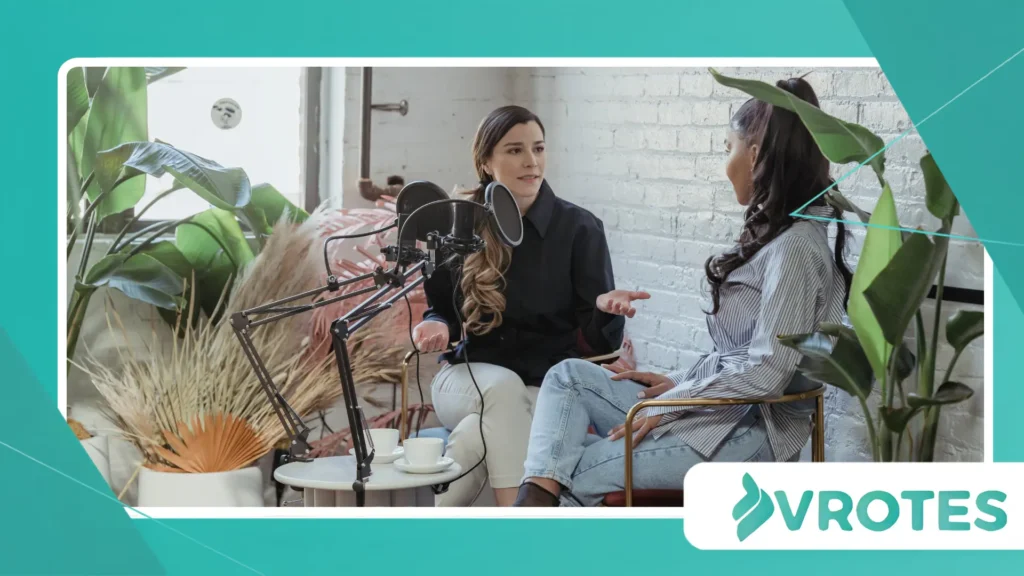
Top Podcasts for Mental Support in Midlife
The following curated selection highlights high-quality podcasts that address midlife emotional wellness, cognitive health, stress management, and personal growth.
++ Why Emotional Overfunctioning Leads to Hidden Burnout
1. Huberman Lab
Hosted by Dr. Andrew Huberman, a professor of neurobiology and ophthalmology at Stanford School of Medicine, this podcast delivers clear, science-based protocols for mental health, sleep optimization, and brain function.
- Best For: Science-minded listeners seeking actionable neurological strategies.
- Key Topics: Circadian rhythm management, anxiety reduction tools, dopamine regulation, and cognitive longevity.
- Why It Helps Midlife Listeners: Huberman translates complex neuroscience into practical habits that combat midlife brain fog, fatigue, and chronic stress.
2. Wiser Than Me with Julia Louis-Dreyfus
Award-winning actress Julia Louis-Dreyfus hosts candid conversations with legendary older women—such as Jane Fonda, Isabel Allende, and Ruth Reichl—about wisdom, aging, resilience, and identity.
- Best For: Emotional perspective, humor, and reframing the narrative around growing older.
- Key Topics: Aging gracefully, maintaining creative vitality, overcoming career shifts, and personal authenticity.
- Why It Helps Midlife Listeners: It dismantles societal stereotypes about aging and provides an inspiring, warm roadmap for living fully in midlife and beyond.
3. The Midlife Mentors
Hosted by midlife coaching duo Claire and James Davis, this show focuses specifically on the physical, mental, and emotional hurdles of adults in their 40s, 50s, and 60s.
- Best For: All-in-one midlife wellness advice combining mindset, nutrition, and stress management.
- Key Topics: Overcoming midlife anxiety, tackling stubborn fatigue, navigating career transitions, and rebuilding self-confidence.
- Why It Helps Midlife Listeners: The hosts speak directly to the midlife demographic, offering realistic strategies that fit into demanding adult routines.
Read more: Why Hypervigilance Drains Emotional Energy Over Time
4. Unlocking Us with Brené Brown
Dr. Brené Brown, a renowned research professor studying courage, vulnerability, shame, and empathy, explores what it means to be human in complex seasons of life.
- Best For: Emotional processing, relationship building, and self-compassion.
- Key Topics: Managing emotional burnout, setting healthy boundaries, navigating grief, and vulnerability in leadership and family life.
- Why It Helps Midlife Listeners: Brown’s research on midlife unspooling provides profound language for emotional shifts that often surface during these years.
5. The Menopause Mindset
Hosted by Sally Garozzo, this podcast focuses on the intricate connection between hormonal shifts, anxiety, self-esteem, and mental health during perimenopause and menopause.
++ How Recovery-Based Living Supports Hormonal Health
- Best For: Women experiencing mood fluctuations and identity shifts tied to reproductive aging.
- Key Topics: Hormonal anxiety, sleep restoration, somatic healing, and stress relief.
- Why It Helps Midlife Listeners: It bridges the gap between physiological symptoms and mental health, ensuring women do not feel alone in their experience.

6. Ten Percent Happier with Dan Harris
Journalist Dan Harris explores meditation, mindfulness, and practical psychology through interviews with leading experts, scientists, and meditation teachers.
- Best For: Stress reduction, mindfulness beginners, and emotional regulation.
- Key Topics: Defeating negative self-talk, managing daily anxiety, building resilience, and practical meditation.
- Why It Helps Midlife Listeners: The pragmatic, skeptic-friendly approach makes mindfulness accessible for busy adults managing high-stress lives.
Comparing Midlife Podcast Features and Focus Areas
Selecting the right show depends on your immediate psychological and lifestyle needs.
The table below outlines how these top shows compare across primary focus areas, format styles, and recommended listener profiles.
| Podcast Title | Primary Focus Area | Format Style | Best Suited For |
| Huberman Lab | Neuroscience & Protocol-Based Health | Expert Deep-Dive / Solo | Readers wanting scientific protocols for sleep and stress |
| Wiser Than Me | Wisdom, Identity & Healthy Aging | One-on-One Interviews | Readers seeking narrative inspiration and reframing aging |
| The Midlife Mentors | Targeted Midlife Lifestyle & Mindset | Co-Hosted Discussion | Readers needing practical advice for midlife transitions |
| Unlocking Us | Vulnerability, Boundaries & Emotional Health | Research & Guest Interviews | Readers navigating deep emotional processing and burnout |
| The Menopause Mindset | Hormonal Health & Somatic Anxiety | Expert Interviews & Guidance | Women experiencing perimenopausal or menopausal stress |
| Ten Percent Happier | Mindfulness, Meditation & Stress Relief | Journalist-Led Interviews | Readers looking for concrete tools to calm a busy mind |
How Audio Content Supports Mental Health
Podcasts function differently than traditional text-based self-help resources. The auditory medium creates a unique environment for passive learning and emotional connection.
Listening to expert voices engages conversational parasympathetic regulation; hearing calm, authoritative, and empathetic discussion helps lower central nervous system arousal.
Furthermore, podcasts serve as accessible psychoeducation tools, demystifying psychological terms like somatic experiencing, cognitive restructuring, and perimenopausal mood dysregulation.
Integrating structured listening into your week helps build emotional regulation habits.
Rather than consuming content passively, consider paired activities: listen during a brisk morning walk to combine physical exercise with mental wellness learning, or use guided episodes during evening wind-down routines to manage rumination before sleep.
Important Considerations and Limitations
While high-quality audio shows offer substantial support, understanding their limitations protects your overall health care journey.
Podcasts Are Not Therapy: Audio content provides educational value and peer support, but it cannot replace individualized psychiatric care or psychotherapy.
Information Overload: Consuming too many health optimization protocols can generate health anxiety (cyberchondria). Select one or two shows that bring calm rather than pressure.
Vetting Credentials: Always evaluate host and guest qualifications. Prioritize shows led by credentialed health professionals, researchers, or established journalists who cite peer-reviewed studies.
If you experience persistent low mood, overwhelming anxiety, or significant disruptions to daily functioning, consult a licensed mental health professional or primary care provider.
Conclusion
Finding the best podcasts for mental support during midlife allows you to turn daily downtime into an opportunity for personal growth and emotional relief.
Whether you resonate with the neuroscience of Huberman Lab, the warm wisdom of Wiser Than Me, or the practical emotional tools of Unlocking Us, these audio resources remind you that midlife is not a crisis to survive, but a transition to navigate with intention.
While podcasts offer great daily guidance, remember that audio content is not a substitute for professional care.
If you need personalized assistance or clinical support, consult a licensed therapist or access resources provided by the National Institute of Mental Health (NIMH).
Frequently Asked Questions
Can listening to podcasts really improve mental health during midlife?
Yes, educational audio content can improve mental health by offering psychoeducation, practical coping tools, and validation.
Listening helps normalize midlife transitions, reduces isolation, and encourages healthy lifestyle behaviors. However, podcasts serve as supplementary support and are not a replacement for clinical therapy.
How do I choose the right mental health podcast for my specific midlife concerns?
Identify your primary goal before browsing. If you want scientific routines for sleep and energy, choose neuroscience-focused shows like Huberman Lab. If you are navigating emotional changes, burnout, or relationship shifts, look for interview-driven shows like Unlocking Us or Wiser Than Me.
How often should I listen to wellness podcasts to see a benefit?
Consistency matters more than duration. Listening to two to three episodes per week—or taking 15 to 20 minutes daily during a walk or commute—allows you to digest concepts without feeling overwhelmed by advice.
Focus on applying one key insight per episode to your daily life.
++ The 15 Best Mental Health Podcasts, As Recommended by Therapists
++ 10 Mental Health Podcasts to Help You Cope With Anxiety and Depression