
Why Skin Bruises More Easily Post-Menopause

It is a clinical reality that skin bruises more easily post-menopause, a physiological shift driven primarily by the dramatic decline in systemic estrogen levels.
Anúncios
This biological transition alters the fundamental architecture of your dermis, making blood vessels more vulnerable to even minor physical impacts.
Understanding these changes is essential for maintaining your skin health and managing the visible signs of aging during these years.
At vrotes.com, we believe that knowledge is the first step toward reclaiming confidence in your body’s resilience. Let’s dive into why your skin is reacting this way and how you can protect it effectively.
Summary of Key Insights
- The Estrogen Connection: How hormonal loss depletes your natural collagen stores.
- Structural Vulnerability: Why capillary walls become fragile and prone to leaking under pressure.
- External Influences: The magnifying role of UV damage and common daily medications.
- Protective Strategies: Targeted nutrition and topical treatments to bolster your skin’s inner strength.
What causes skin to thin during the post-menopause transition?
The primary culprit behind why skin bruises more easily post-menopause is the rapid loss of Type I and Type III collagen. Research indicates that women lose approximately 30% of their skin’s collagen during the first five years.
Anúncios
Collagen provides the structural “scaffolding” that keeps your skin plump and resilient. Without this support, the dermis thins significantly, removing the protective cushion that normally surrounds the tiny blood vessels located just beneath the surface.
Furthermore, the production of glycosaminoglycans (GAGs), such as hyaluronic acid, diminishes. This leads to decreased hydration and elasticity, making the skin paper-thin and far more susceptible to tearing or bruising from minor bumps.
Why does estrogen deficiency affect blood vessel integrity?
Estrogen plays a vital role in maintaining the health of your vascular system, including the microcirculation within your skin’s layers. When levels drop, the vascular walls lose their structural tone and become increasingly brittle.
This fragility means that even a slight bump—something you might not have noticed years ago—can cause a capillary to rupture. Because your surrounding tissue is thinner, the resulting blood leakage spreads more easily.
Scientific data from the National Institutes of Health confirms that estrogen receptors in the skin are crucial for maintaining the “vasoprotective” effects that prevent spontaneous bruising and support overall dermal health.
How does cumulative sun damage exacerbate bruising? Skin Bruises More Easily Post-Menopause
While hormones are the internal driver, “actinic purpura” (solar purpura) is the external catalyst that makes skin bruises more easily post-menopause. Years of ultraviolet radiation break down your essential elastin fibers.
This condition, often called “senile purpura,” manifests as purple ecchymosis on the back of the hands and forearms. These areas usually have the most sun exposure and the least amount of protective subcutaneous fat.
++ Hormonal Links to Food Intolerances Developing Midlife
Sun-damaged skin lacks the mechanical strength to support the dermal microvasculature. Consequently, the blood vessels shift easily under the skin, leading to ruptures that take much longer to heal than in your younger years.
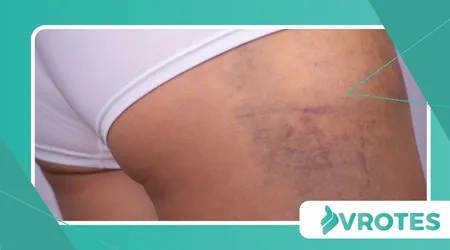
Comparative Analysis: Skin Changes Pre vs. Post-Menopause
| Feature | Pre-Menopause (Age 30-40) | Post-Menopause (Age 55+) | Impact on Bruising |
| Collagen Content | High and Stable | Rapidly Declining | Significantly reduced cushioning |
| Dermal Thickness | Optimal Support | Decreased by ~1.1% per year | High vulnerability to impact |
| Capillary Support | Strong elastic fibers | Weak, brittle vessels | Increased risk of vessel rupture |
| Lipid Barrier | Robust and Hydrated | Sparse and often Dry | Slower healing and recovery rates |
Which medications increase the risk of bruising?
Many women in the post-menopausal stage take medications for cardiovascular health or joint inflammation.
Aspirin, ibuprofen, and prescription anticoagulants significantly interfere with the blood’s ability to clot effectively when a vessel breaks.
If your skin bruises more easily post-menopause, these medications may turn a tiny capillary leak into a prominent purple patch. Even common supplements like ginkgo biloba or high-dose fish oil can have similar effects.
Read here: Cognitive Fog vs. Early Dementia: Differentiating Symptoms
Corticosteroids, whether taken orally or applied topically for skin conditions, are also major contributors. They further thin the skin by inhibiting collagen synthesis, creating a “perfect storm” for frequent and unexplained bruising.
What are the best ways to strengthen post-menopausal skin?
Focusing on “inside-out” nutrition is a powerful strategy to combat the reality that skin bruises more easily post-menopause. Vitamin C is non-negotiable, as it is a mandatory cofactor for your collagen production.
Incorporating bioflavonoids, found in citrus fruits and dark berries, can help strengthen the walls of your capillaries. Some studies suggest that hesperidin and rutin are particularly effective at reducing vascular permeability and fragility.
Read more: Why Portion Sizes Differ Around the World — and What We Can Learn
Topically, using retinoids or specialized vitamin K creams can encourage cellular turnover and improve your dermal density.
Consistently applying a broad-spectrum SPF 30+ prevents further UV-induced degradation of the skin’s vital support structures.
When should you consult a doctor about easy bruising? Skin Bruises More Easily Post-Menopause
While it is common that skin bruises more easily post-menopause, certain patterns warrant a medical evaluation. Spontaneous bruises appearing on the torso or face without any known trauma should always be investigated.
If you notice a sudden increase in the size of bruises or if they take more than three weeks to fade, blood tests may be necessary. These tests check for platelet dysfunction.
Persistent bruising accompanied by bleeding gums or frequent nosebleeds can indicate underlying systemic issues.
Always discuss your supplement regimen with a healthcare provider to ensure nothing is unnecessarily thinning your blood or affecting health.

Conclusion
Navigating the years after the “change” requires a proactive approach to your dermatological health. The biological fact that skin bruises more easily post-menopause is an invitation to upgrade your daily skincare and nutritional habits.
By replenishing collagen through diet, protecting the skin from further solar damage, and being mindful of medication side effects, you can maintain skin resilience. You can provide your skin with the tools it needs to remain strong.
For more evidence-based guidance on managing your hormonal transitions and skin health, visit the North American Menopause Society.
FAQ: Frequently Asked Questions
Is it normal to have random bruises on my legs after 50?
Yes, as the skin thins and fatty tissue decreases, the blood vessels in the legs become more exposed. Even minor, unnoticed contact with furniture can cause significant, visible bruising.
Can collagen supplements help prevent bruising?
While more clinical trials are needed, some evidence suggests that hydrolyzed collagen peptides can improve skin elasticity and hydration, potentially offering better protection for the underlying blood vessels in your skin.
How long do post-menopausal bruises typically last?
Due to a slower cellular turnover rate, bruises in post-menopausal women may take two to four weeks to fully resolve, compared to just one week in younger individuals with more collagen.
Does HRT (Hormone Replacement Therapy) improve skin thickness?
Some studies indicate that systemic or topical estrogen therapy can help maintain skin thickness and collagen levels, which may subsequently reduce the frequency of easy bruising for many women.
Are there specific fabrics that help protect fragile skin?
Wearing long sleeves made of breathable, UV-protective fabrics can provide a physical barrier against both minor scrapes and the collagen-depleting effects of the sun’s rays throughout the day.
++ Why menopause makes you clumsy & bruise