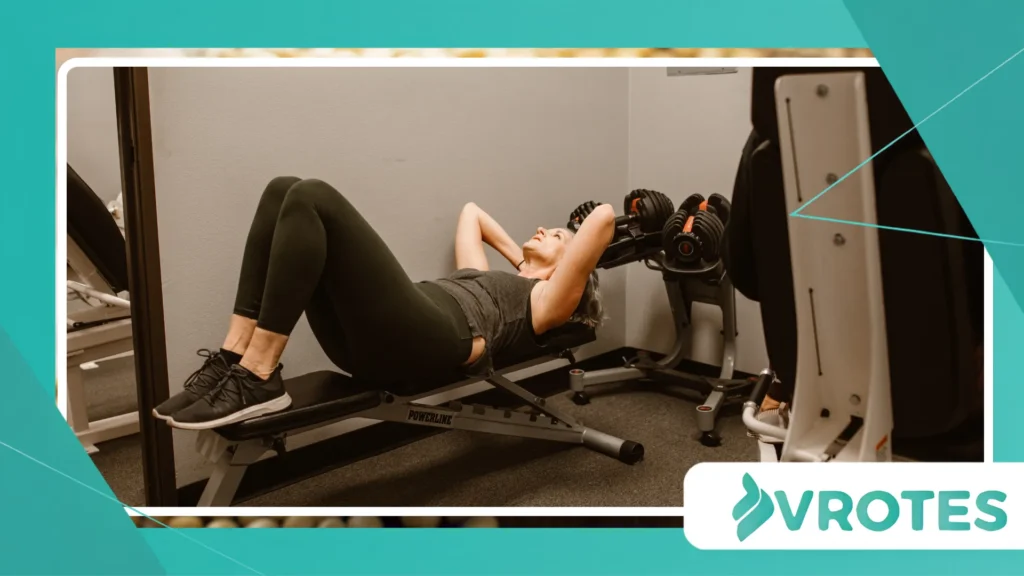
为什么中年健身计划需要关注荷尔蒙

广告

A workout that worked perfectly at 30 may feel surprisingly ineffective at 45 or 55.

Midlife fitness programs need to account for changing hormones, muscle mass, recovery, bone health, sleep, and energy—not because hormones make exercise ineffective, but because the body’s response to training evolves with age.

During midlife, especially around perimenopause and menopause, hormonal changes can influence where body fat accumulates, how quickly muscle is maintained, sleep quality, and bone health.

That does 不是 mean women need a completely different kind of exercise. It means training should become more strategic.

要点总结

  • Hormonal changes can alter recovery, sleep, body composition, and bone health.
  • Strength training deserves a central role during midlife.
  • Cardio still matters for cardiovascular and metabolic health.
  • Recovery should be treated as part of the training plan.
  • Exercise cannot “balance hormones,” but it can support health during hormonal transitions.
  • Hormone therapy is a medical decision, not a substitute for fitness.
Midlife Fitness Programs

What changes in the body during midlife?

Midlife does not produce one universal physiological experience. Genetics, activity history, nutrition, sleep, medications, stress, and reproductive stage all influence how someone responds to exercise.

广告

For women, perimenopause and menopause bring significant changes in ovarian hormone production. Estrogen levels fluctuate during the menopausal transition and eventually decline after menopause.

That shift matters because estrogen plays an important role in bone health.

According to the American College of Obstetricians and Gynecologists, bone loss accelerates around menopause as estrogen levels fall.

Muscle also deserves more attention as people age. Maintaining strength helps preserve mobility and independence, while resistance training can counter some of the decline in muscle strength and function associated with aging.

The practical lesson is simple: midlife training should focus less on punishment and more on adaptation.

Why do hormones matter when designing a fitness program?

Hormones influence numerous processes involved in exercise, including metabolism, tissue maintenance, bone remodeling, and reproductive function.

However, fitness content often turns this idea into an exaggerated claim: that every workout must be synchronized with hormone levels or that certain exercises can “reset” hormones.

There is no need to go that far. A hormone-aware approach simply recognizes that physiological changes can affect how a person feels and performs.

good program responds to those changes instead of assuming the body behaves exactly as it did decades earlier.

For example, someone experiencing disrupted sleep may have less energy for high-intensity training.

++ 为什么更年期激素感知训练很重要

Someone concerned about bone health may benefit from prioritizing resistance and weight-bearing activities. That is a much more useful interpretation of “hormone-focused fitness.”

Which exercises matter most during midlife?

A balanced program should include several forms of movement rather than relying exclusively on cardio or calorie-burning workouts.

阅读更多: 如何通过减负周改善更年期女性的力量

The National Institute on Aging recommends combining aerobic activity, muscle-strengthening exercise, and balance work as part of healthy aging.

Training focusWhy it matters in midlifePractical examples
Strength trainingSupports muscle strength, function, and bone healthSquats, rows, presses, resistance bands
Weight-bearing activityHelps stimulate bones and supports physical functionBrisk walking, stair climbing, resistance training
Aerobic exerciseSupports cardiovascular fitness and enduranceWalking, cycling, swimming
Balance trainingSupports stability and may reduce fall riskTai chi, yoga, single-leg exercises
Mobility workHelps maintain comfortable movementDynamic warm-ups, controlled mobility exercises
RecoveryAllows adaptation between training sessionsRest days, adequate sleep, lower-intensity sessions

For general guidance on physical activity and healthy aging, the National Institute on Aging’s exercise and physical activity resources provide practical recommendations and safety considerations.

How should strength training change during midlife?

Strength training should move closer to the center of the program—not because women suddenly need to lift extremely heavy weights, but because maintaining muscle and physical capacity becomes increasingly valuable.

Resistance exercise can involve free weights, machines, resistance bands, body weight, or other forms of progressive resistance.

The key principle is progressive overload: muscles need an appropriate challenge that gradually increases as fitness improves.

That progression does not always mean adding more weight. You can increase repetitions, improve technique, increase range of motion, add a set, or make an exercise more challenging.

The goal is not exhaustion after every workout. The goal is measurable improvement over time.

++ 富含多酚的食物如何滋养有益肠道细菌

For many adults, two or more weekly muscle-strengthening sessions can provide a practical foundation, while avoiding training the same muscle groups on consecutive days allows recovery.

Midlife Fitness Programs

Does cardio still matter after 40 or 50?

Absolutely. A hormone-conscious fitness program should never become an excuse to eliminate cardiovascular exercise.

Aerobic activity supports heart and lung fitness and contributes to overall health.

Current guidance cited by the National Institute on Aging encourages adults to work toward 150 minutes of moderate-intensity aerobic activity per week, alongside muscle-strengthening exercise.

Walking can be particularly useful because it is accessible, scalable, and weight-bearing.

Cycling, swimming, dancing, hiking, and other activities can also contribute valuable cardiovascular training.

The best choice is usually the activity a person can perform consistently and safely.

What role does recovery play in midlife fitness?

Recovery becomes easier to underestimate when someone is accustomed to pushing through fatigue.

Poor sleep, stressful life circumstances, hormonal symptoms, insufficient nutrition, and excessive training can all make recovery more difficult.

That does not mean every difficult workout is harmful. Instead, it means training load should match the person’s current capacity.

A practical approach might look like this:

Schedule demanding strength sessions with recovery between them.

Alternate harder and easier training days.

Keep some workouts intentionally moderate.

Adjust intensity when sleep has been poor.

Prioritize adequate protein and overall nutrition.

Treat rest as part of the program rather than a failure to exercise.

NIA guidance also recommends gradually increasing activity and choosing times of day when energy levels are better.

Can exercise replace hormone therapy?

No. Exercise can support cardiovascular health, muscle strength, bone health, physical function, mood, and overall well-being. It does not replace medical treatment when hormone therapy or another intervention is clinically appropriate.

Hormone therapy also should not be treated as a fitness supplement.

For some women, hormone therapy may be appropriate for managing menopausal symptoms or specific health considerations.

ACOG notes that decisions about hormone therapy depend on individual health history and should be discussed with a qualified healthcare professional.

That distinction matters because fitness and medical care serve different purposes.

How can you build a hormone-aware weekly fitness routine?

Start with the fundamentals rather than chasing a complicated “hormone-balancing” workout.

A practical weekly structure could include strength training on two or three nonconsecutive days, regular moderate aerobic activity, and short balance or mobility sessions throughout the week.

例如:

Monday: Full-body strength training
Tuesday: Brisk walking or another moderate aerobic activity
Wednesday: Mobility and balance
Thursday: Full-body strength training
Friday: Moderate cardio
Saturday: Optional recreational activity or longer walk
Sunday: Rest or gentle movement

The exact schedule should reflect fitness level, goals, injuries, medical conditions, and available recovery time.

Someone returning to exercise after years of inactivity may need a much gentler starting point than someone who has trained consistently for decades.

Midlife Fitness Programs

What mistakes should midlife fitness programs avoid?

One common mistake is treating weight loss as the only measure of success.

Midlife fitness should also measure strength, stamina, balance, mobility, sleep, energy, and the ability to perform everyday activities.

Another mistake involves excessive cardio combined with insufficient resistance training. More exercise is not automatically better if the program leaves inadequate room for recovery.

Finally, avoid programs that promise to “fix” or “reset” hormones through a specific workout. Hormonal physiology is considerably more complex than a single exercise routine.

A better program works with the body’s changing needs instead of selling a shortcut.

Why should bone health be part of the conversation?

Bone health becomes especially important around menopause.

ACOG explains that estrogen helps protect bone, while declining estrogen during menopause contributes to accelerated bone loss.

Exercise, adequate nutrition, and other healthy lifestyle measures can help support bone health.

Weight-bearing activity and strength training therefore deserve attention in midlife—not simply because they burn calories, but because they help maintain physical capacity.

Anyone with osteoporosis, a history of fractures, significant joint problems, or other medical concerns should seek individualized professional guidance before substantially changing training.

What should you do next?

A smarter midlife fitness strategy does not require abandoning everything you already enjoy.

Instead, examine your current routine and ask four questions:

Am I doing enough resistance training to maintain strength?

Does my routine include cardiovascular activity?

I supporting balance and mobility?

Does my recovery match my current lifestyle and physical capacity?

    If the answer to several questions is no, those areas provide a better starting point than searching for a magical hormone-specific workout.

    Midlife can be an excellent time to become more intentional about fitness.

    The objective is not to recreate the body or training routine of your 20s. It is to build strength, endurance, stability, and confidence for the years ahead.

    For additional evidence-based information about exercise and menopause-related health, ACOG’s guidance on staying active and physical activity is a useful starting point.

    常见问题解答

    Do hormones affect exercise performance during midlife?

    They can influence symptoms and physiological processes that affect how exercise feels, including energy, sleep, recovery, and body composition. Individual experiences vary considerably.

    Is strength training more important after menopause?

    Strength training becomes particularly valuable for maintaining muscle function and supporting bone health, but it should complement rather than replace aerobic and balance activities.

    Can exercise lower estrogen or testosterone problems?

    Exercise should not be promoted as a way to “fix” hormone levels. Its proven value lies in supporting physical function, cardiovascular health, strength, bone health, and overall well-being.

    How often should women in midlife exercise?

    There is no single schedule that fits everyone. A balanced routine generally combines aerobic activity, muscle-strengthening work, and balance training, with progression and recovery adjusted to individual needs.

    People with medical conditions or significant symptoms should seek personalized professional advice.

    ++ Personal Trainer Course Series: Hormones, Muscle & Midlife

    ++ Menopause, Hormones & Strength: The Midlife Training Guide for Real Results


    趋势