
भंडारण विधियाँ पोषक तत्वों की मात्रा को कैसे प्रभावित करती हैं
विज्ञापन
Understanding how specific preservation methods influence nutrient content can fundamentally change how you approach meal preparation and grocery shopping.
Everyday household choices directly dictate the vitamin and mineral density of your family’s food.
विषयसूची
- Why Does Food Storage Impact Total Nutritional Value?
- How Do Temperature Changes Alter Specific Vitamins?
- What Are the Most Effective Preservation Techniques?
- Evaluating Nutrient Retention Across Methods
- अक्सर पूछे जाने वाले प्रश्नों
- Maximizing Your Kitchen’s Nutrient Efficiency
Why Does Food Storage Impact Total Nutritional Value?
Harvested produce remains biologically active, constantly consuming its own internal resources through cellular respiration. Once severed from the vine or root, fruits and vegetables begin a steady decline in vitality.
Oxidation represents the primary culprit behind this molecular degradation. Exposure to atmospheric oxygen breaks down delicate chemical bonds, rendering essential antioxidants useless before the food even reaches your plate.
Light exposure further accelerates this destructive process by triggering photodegradation. Riboflavin, or vitamin B2, proves exceptionally vulnerable to UV rays, which is why milk requires opaque packaging to retain its nutritional integrity.
विज्ञापन
Managing these environmental variables determines whether your ingredients remain powerhouses of health or become empty calories. Smart kitchen management serves as the ultimate bridge between raw agriculture and optimal human biochemistry.
How Do Temperature Changes Alter Specific Vitamins?
Thermal environments dictate the rate of enzymatic reactions within plant tissues. Refrigeration slows down these destructive enzymes significantly, extending the lifespan of fragile, water-soluble micronutrients like folate and vitamin C.
Freezing halts microbial growth entirely, yet industrial flash-freezing preserves structural cellular integrity far better than slow domestic freezers.
Ice crystals formed slowly can puncture cell walls, causing nutrient-rich juices to leak out during thawing.
Conversely, heat application during processing can either destroy or enhance nutrient availability depending on the specific molecule.
While boiling leaches out water-soluble compounds, gentle steaming can actually break down tough cellular walls, making certain carotenoids more bioavailable.
According to extensive research regarding food stability published by the हार्वर्ड टीएच चान स्कूल ऑफ पब्लिक हेल्थ, maintaining a stable, cold chain from farm to table remains paramount for antioxidant preservation.
What Are the Most Effective Preservation Techniques?
Modified atmosphere packaging, often utilized in commercial salad greens, replaces ambient oxygen with nitrogen. This sophisticated approach prevents oxidation, ensuring that your greens retain high levels of phytonutrients during transport.
Home cooks can replicate these benefits by utilizing vacuum sealers. Removing air from storage bags drastically limits the oxidative pathway, preserving fat-soluble vitamins like A, D, E, and K for extended periods.
Fermentation offers another brilliant avenue for nutritional optimization. This ancient biochemical process not only preserves the base ingredient but actively synthesizes additional B vitamins while introducing beneficial probiotic strains.
Dehydration, while excellent for shelf-life extension, requires careful regulation. Excessive heat during drying can obliterate vitamin C entirely, meaning low-temperature dehydration represents the superior method for preserving delicate enzymes.
++ आरामदायक खाद्य पदार्थों का जैव रसायन
Choosing specific storage methods influence nutrient content in ways that directly impact your daily health. Maximizing your dietary intake requires matching each unique food item with its ideal preservation environment.
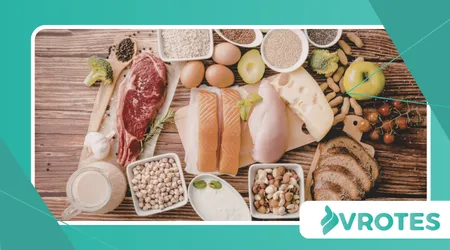
Evaluating Nutrient Retention Across Methods: Methods Influence Nutrient Content
Different preservation styles yield vastly different chemical outcomes. Consumers often assume fresh is always superior, but science paints a far more nuanced picture regarding long-term vitamin stability.
Industrial flash-freezing locks molecules in place immediately after harvest. This specific intervention often yields higher nutrient counts than “fresh” produce that has spent weeks traveling across global supply chains.
और पढ़ें: हम जानवरों के अंगों में मौजूद पोषण को कम क्यों आंकते हैं?
Understanding these distinctions helps optimize grocery budgets and health outcomes simultaneously. The following data highlights how various storage methods influence nutrient content over a standard seven-day period.
| Storage Method | Vitamin C Retention (Spinach) | Folate Stability (Broccoli) | Beta-Carotene Preservation |
| Ambient Countertop | 20% | 45% | 70% |
| Standard Refrigeration | 65% | 80% | 85% |
| Flash-Frozen (-20°C) | 90% | 95% | 92% |
| Home Dehydration | 15% | 30% | 60% |
Optimizing your kitchen layout around these verified metrics ensures your family absorbs the maximum biological value from every single meal.
++ प्रकृति आधारित अनुष्ठान शोक से उबरने में कैसे मदद करते हैं?
अक्सर पूछे जाने वाले प्रश्नों
Does washing produce before storage accelerate nutrient loss?
Moisture encourages mold growth and accelerates microbial decomposition. Always wash your fruits and vegetables immediately before consumption rather than prior to placing them inside your refrigerator.
Why do some storage methods influence nutrient content more than others?
Different preservation methods influence nutrient content based on how they alter temperature, light exposure, and oxygen access. Each variable interacts uniquely with the specific molecular bonds of different vitamins.
Is frozen produce genuinely healthier than fresh options?
Produce destined for the freezer matures fully on the vine before undergoing immediate thermal stabilization. This process frequently preserves superior nutrient levels compared to fresh items picked prematurely for long shipping routes.
How does vacuum sealing protect fat-soluble vitamins?
Eliminating oxygen prevents lipid peroxidation, which is the primary chemical pathway that degrades essential fats and fat-soluble vitamins. This protective barrier keeps nutrients stable for months.
Can chopping food before storing it reduce its health benefits?
Slicing plant tissues ruptures cell walls, exposing internal nutrients to immediate atmospheric oxidation. Keep produce whole during storage to maintain the highest possible concentration of vital nutrients.
Maximizing Your Kitchen’s Nutrient Efficiency
Strategic meal planning must account for the reality that storage methods influence nutrient content over time. Prioritize consuming highly perishable items, like berries and leafy greens, within days of purchase.
Utilize your refrigerator’s crisper drawers effectively by adjusting the humidity sliders. High humidity suits wilting greens, while low humidity prevents thin-skinned fruits from rotting prematurely due to ethylene gas accumulation.
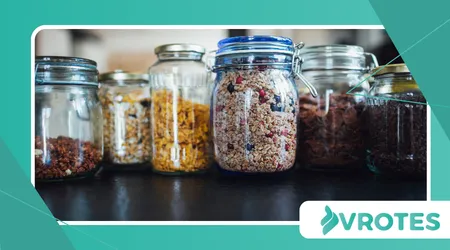
Investing in high-quality, airtight glass containers minimizes chemical leaching from plastics while offering superior protection against ambient oxygen. Small structural upgrades in your storage habits yield massive nutritional dividends.
Understanding how diverse preservation methods influence nutrient content empowers you to take complete control over your dietary health. True wellness begins with preserving the integrity of the fuel you consume.
For those interested in exploring the deep biochemistry behind food preservation sciences, comprehensive analytical data can be found directly through the USDA Agricultural Research Service.
Apply these evidence-based storage tactics today to ensure your body receives the vibrant nutrition it rightfully deserves.
++ Impact of Storage and Processing on the Nutritional Content of Staple Crops