
พิธีชงชาอย่างมีสติ เพื่อเป็นเกียรติแก่การเดินทางสู่ช่วงวัยหมดประจำเดือนของคุณ
โฆษณา
Engaging in a mindful tea ceremony offers a grounding, restorative ritual designed to support emotional stability, somatic awareness, and stress reduction during the menopause transition.
Menopause is a profound physiological and psychological shift, often accompanied by physical symptoms like hot flashes, sleep disruptions, and mood fluctuations.
Rather than viewing this transition solely through a clinical lens, integrating an intentional, sensory-rich ritual into your daily routine helps create space for reflection, self-compassion, and stress management.
By combining the natural soothing properties of herbal infusions with structured mindfulness practices, a mindful tea ceremony transforms a routine beverage into a dedicated practice of self-care.
This guide explores the physical and emotional benefits of tea rituals during menopause, details how to select appropriate botanical infusions, provides a step-by-step framework for hosting your own ceremony, and addresses key considerations for safety and consistency.
โฆษณา
ประเด็นสำคัญ
- A mindful tea ceremony uses focused sensory awareness to lower cortisol levels and ease emotional stress during menopause.
- Specific herbal infusions, such as chamomile, peppermint, and lemon balm, support relaxation, digestion, and evening wind-down routines.
- Creating a dedicated quiet space and utilizing simple, purposeful teaware helps anchor your attention and cultivate daily presence.
- Mindfulness techniques, including controlled diaphragmatic breathing and tactile focus, can be integrated seamlessly into every step of tea preparation.
- Consulting healthcare professionals remains essential when introducing botanical herbs, especially if you manage underlying health conditions or take medication.
Understanding the Menopause Transition and the Role of Mindfulness
The menopause transition—encompassing perimenopause, menopause, and postmenopause—involves significant hormonal fluctuations, specifically decreases in estrogen and progesterone.
These biological adjustments directly impact the nervous system, frequently triggering heightened reactivity, anxiety, sleep disturbances, and physical discomfort.
Mindfulness practices moderate the sympathetic nervous system, commonly known as the fight-or-flight response.
When you engage in deliberate, slow-paced activities that emphasize sensory engagement, your body increases parasympathetic nervous system activity.
This shift reduces circulating stress hormones, lowers heart rate, and promotes autonomic nervous system balance.
A tea ceremony translates abstract mindfulness principles into a tangible, physical practice.
The tactile sensation of holding a warm cup, the visual observation of steeping leaves, and the intentional pacing required to brew and sip tea serve as immediate anchors for your attention.
++ สุขภาพแบบองค์รวมส่งเสริมการมีสุขภาพดีในวัยสูงอายุได้อย่างไร
This sensory immersion interrupts cycles of anxiety and brings quiet focus to the present moment.
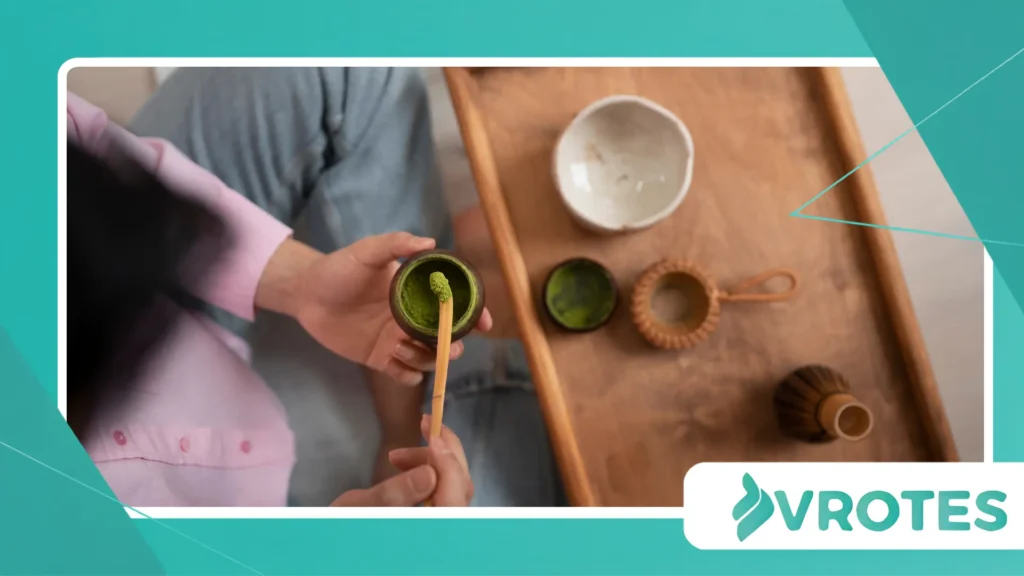
Choosing the Right Herbal Infusions for Menopause Support
Selecting the right botanical ingredients elevates a tea ceremony from simple hydration to a targeted wellness practice.
Caffeine-free herbal teas (technically termed herbal infusions or tisanes) are generally preferred during menopause, as caffeine can exacerbate hot flashes, heart palpitations, and sleep disruption.
The following herbs are frequently chosen for their traditional soothing properties and pleasant flavor profiles:
Chamomile (Matricaria chamomilla): Widely recognized for its mild sedative effects, chamomile contains apigenin, an antioxidant that binds to specific brain receptors that help initiate sleep and reduce general anxiety.
จากการวิจัยที่ตีพิมพ์โดย ศูนย์แห่งชาติเพื่อสุขภาพแบบเสริมและบูรณาการ, chamomile has a long history of use for anxiety, relaxation, and digestive support.
Peppermint (Mentha x piperita): Known for its cooling sensations and digestive support, peppermint provides a refreshing contrast during moments of physical heat or bloating.
Lemon Balm (Melissa officinalis): A member of the mint family, lemon balm is commonly utilized to ease restlessness, promote emotional balance, and improve mild mood swings.
Hibiscus (Hibiscus sabdariffa): Tart and rich in antioxidants, iced or warm hibiscus tea offers a hydrating, vibrant option that supports overall cardiovascular wellness.
When selecting herbs, choose organic, whole-leaf varieties whenever possible.
Whole leaves retain essential oils better than finely crushed tea dust, providing richer aroma, fuller flavor, and an enhanced sensory experience during your ceremony.
Steps to Design Your Personal Mindful Tea Ceremony
Creating a personal tea ceremony does not require complex equipment or rigid historical adherence. The objective is to establish an intentional sequence of actions that fosters quietude and self-reflection.
1. Prepare Your Space and Mindset
Select a quiet spot in your home free from immediate digital distractions, work materials, or high foot traffic.
Ensure your teaware—a favorite mug, a small teapot, a water kettle, and your chosen loose-leaf herbs—is arranged cleanly before you begin.
อ่านเพิ่มเติม: การคลายกล้ามเนื้อและพังผืดช่วยส่งเสริมการเคลื่อนไหวในชีวิตประจำวันได้อย่างไร
Take two or three deep, diaphragmatic breaths to mark the transition from your daily tasks into your reflective practice.
2. Mindful Water Heating and Preparation
Boil clean, filtered water. Pay close attention to the sounds and visuals of the process: the low hum of the kettle gradually rising in pitch, the rising steam, and the subtle movement of the water.
Measure your loose-leaf herbs into an infuser or teapot, noting their dry aroma, texture, and appearance.
3. The Steeping Process and Sensory Focus
Pour the hot water over the herbs deliberately. Cover the teapot or cup to capture the volatile essential oils released by steam.
Use the steeping time—typically 5 to 7 minutes for most herbal blends—to sit quietly. Observe the water changing color as the botanicals infuse, and focus on the rhythmic rise and fall of your breath.
4. Intentional Tasting and Reflection
Remove the infuser gently. Hold the warm cup with both hands, noticing the heat radiating into your palms. Bring the cup toward your nose and inhale the steam deeply, noticing the nuanced aromas.
++ อาการปัสสาวะบ่อยในวัยหมดประจำเดือน: เมื่อใดที่ควรไปพบแพทย์
Take your first sip slowly, holding the liquid in your mouth briefly to register its temperature, texture, and flavor profile before swallowing. Continue drinking with slow, deliberate attention.
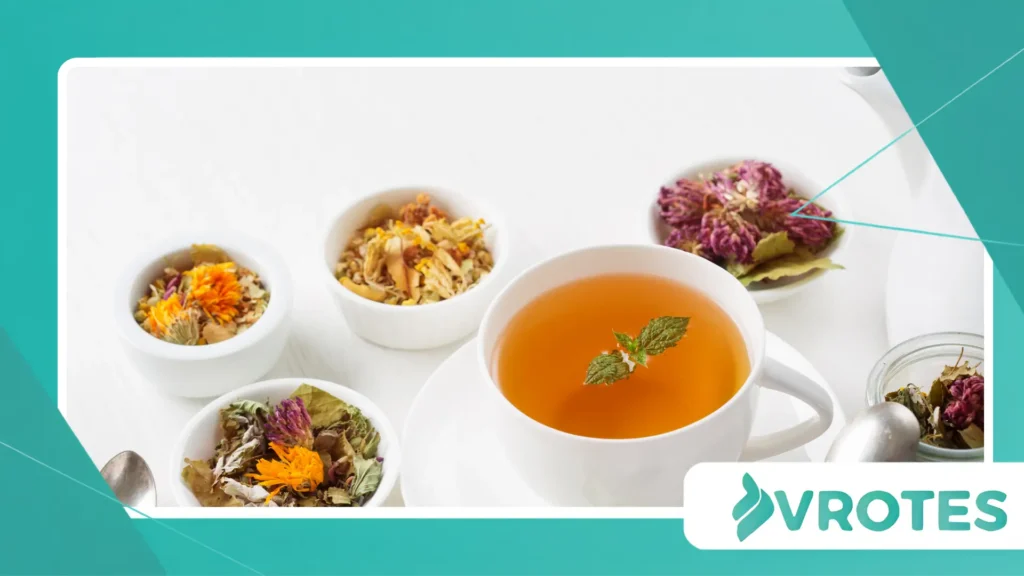
Comparing Herbal Options for Menopausal Wellness
Selecting herbs based on specific comfort goals helps tailor your ceremony to your personal daily needs.
| ชื่อพฤกษศาสตร์ | ลักษณะรสชาติ | Primary Traditional Use | Best Time of Day |
| คาโมมายล์ | Floral, sweet, subtle apple notes | Relaxation, sleep support, nervous tension release | Evening or pre-bedtime |
| สะระแหน่ | Crisp, minty, cooling | Digestive ease, refreshment, physical cooling | Morning or after meals |
| เลมอนบาล์ม | Citrusy, mild, herbaceous | Stress relief, mood balance, mild anxiety support | Late afternoon or evening |
| Hibiscus | Tart, fruity, berry-like | Hydration, antioxidant intake, caffeine-free refresh | Mid-day or over ice |
Understanding these characteristics allows you to curate an infusion that aligns with your precise physical state on any given day.
Integrating Somatic Practices and Mindful Reflection
To deepen the benefits of your tea ceremony, incorporate simple somatic techniques while your tea steeps or cools:
Box Breathing: Inhale quietly for 4 seconds, hold your breath for 4 seconds, exhale completely through your mouth for 4 seconds, and hold empty for 4 seconds. Repeat this sequence four times to reset your nervous system.
Body Scan Awareness: While holding the warm teacup, systematically direct your attention from your feet up to your crown.
Notice areas of tightness, heat, or tension without judgment, imagining the soothing warmth of the tea releasing physical discomfort.
Journaling Affirmations: Keep a small notebook near your ceremony space. Write down one thoughtful reflection or affirmation regarding your body’s strength and resilience during this life stage.
Safety Considerations and Medical Consultations
While herbal infusions are widely accessible and generally safe for casual consumption, botanical compounds can interact with pharmaceuticals or influence underlying physiological conditions.
Herbs such as black cohosh, red clover, and St. John’s Wort are sometimes added to menopausal tea blends for targeted hormonal support.
However, these specific botanicals carry potential contraindications with hormone replacement therapy (HRT), blood thinners, and hepatic (liver) function.
เดอะ สำนักงานคณะกรรมการอาหารและยาแห่งสหรัฐอเมริกา notes that herbal products can vary in potency and interact with prescription medications, making professional medical guidance crucial.
Always discuss the daily use of concentrated herbal remedies with a board-certified physician, gynecologist, or licensed healthcare practitioner.
Maintain moderate consumption—typically one to three cups daily—and discontinue use if you experience adverse allergic reactions, gastrointestinal distress, or headaches.
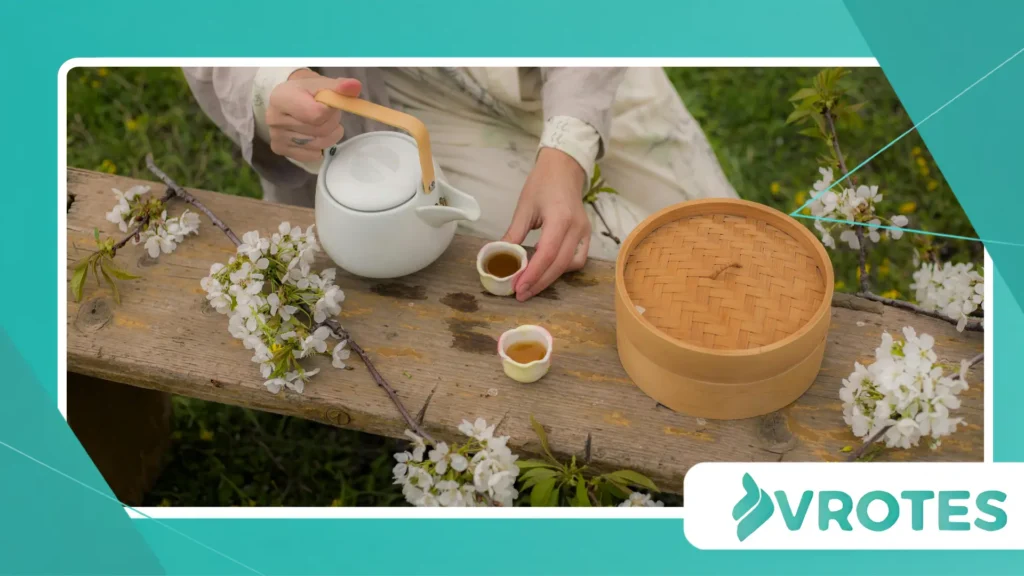
บทสรุป
A mindful tea ceremony serves as a powerful, accessible sanctuary during the menopause transition.
By combining purposeful silence, sensory engagement, and beneficial caffeine-free botanicals, you transform a simple daily break into an intentional practice that honors your changing body and restores balance.
Begin by setting aside just ten minutes today to brew a quiet cup of chamomile or lemon balm, allowing yourself the time and space to move through this stage of life with grace and grounded presence.
คำถามที่พบบ่อย
Can a mindful tea ceremony replace medical treatments for menopause symptoms?
No, a mindful tea ceremony is an integrative lifestyle practice designed for stress management, relaxation, and emotional support.
It does not replace medical therapies, such as hormone replacement therapy (HRT) or non-hormonal prescription treatments prescribed by your doctor.
Always consult your healthcare provider to manage clinical menopause symptoms effectively.
How often should I practice a mindful tea ceremony to see benefits?
Consistency offers the greatest nervous system benefits. Practicing once daily—even for just 5 to 10 minutes—helps build a reliable routine that trains your mind and body to drop into a state of relaxation.
However, even practicing three or four times a week provides meaningful stress-relief benefits.
Is it safe to consume herbal teas every day during menopause?
Gentle culinary herbs like chamomile, peppermint, and lemon balm are generally safe for daily consumption for most healthy individuals.
However, herbal blends containing potent medicinal herbs like St. John’s Wort or dong quai can interact with prescription medications. Review your tea ingredients with a healthcare professional to ensure safety.
What is the best time of day to hold a tea ceremony?
The ideal timing depends on your primary goal. An evening ceremony featuring calming herbs like chamomile supports restful sleep, while a mid-afternoon ceremony with cooling peppermint or lemon balm offers a refreshing break from daily stressors.
Choose a time that integrates smoothly into your schedule without feeling rushed.
++ Transform with Tea: Empower Your Self-Love Rituals for Midlife